Miss Independent, Scotland
By Bérengère Sim Remember that moment in the Scottish Independence Referendum campaign when Yes pulled ahead of No in an opinion poll? 51% and 49% respectively?
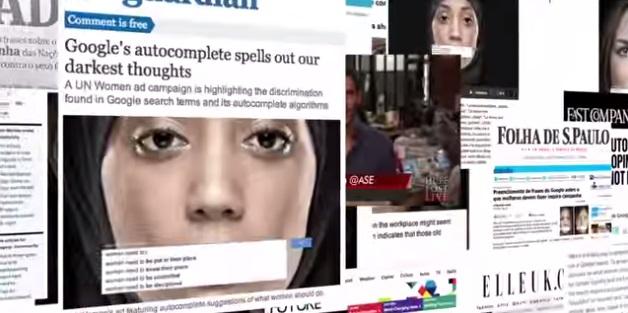
The media are potentially powerful channels of information in a society. The messages they transmit can change or reinforce social mores and behaviours, and mobilize citizens to take progressive actions. While, ideally, the media should strive for accuracy and impartiality, in reality there are often imbalances in coverage, including in terms of women and their perspectives. Women politicians, for example, may be under-represented in news before and after elections.
By Bérengère Sim Remember that moment in the Scottish Independence Referendum campaign when Yes pulled ahead of No in an opinion poll? 51% and 49% respectively?
Out of 58 women elected to Parliament, only three of them represented constituencies the Northern, Upper East and Upper West Regions and said mo
Female politicians feel that their male counterparts enjoy more space in the media because they have more resources.
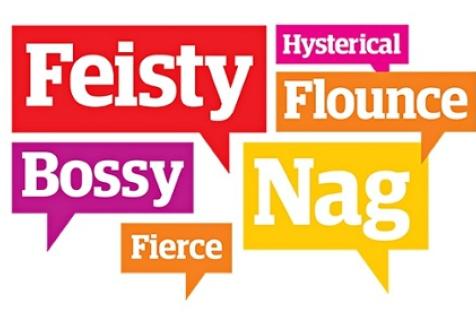
Photo-Andrew Stocks/The Guardian
Do you ever hear men described as ‘hysterical’? Do people say they ‘whine’ or ‘nag’? Thought not. Here are eight sexist words we’d like to never hear from again
Watching glamorous women walk through the doors of No 10 will inspire a whole new generation of young girls to become politicians, Esther McVey has said.
Female politicians are presented more negatively in the press than their male counterparts, and receive less coverage overall, a recent academic study has revealed.
The rising influence of new information and communication technologies (ICTs) has paralleled the rapid development of women’s political participation worldwide.