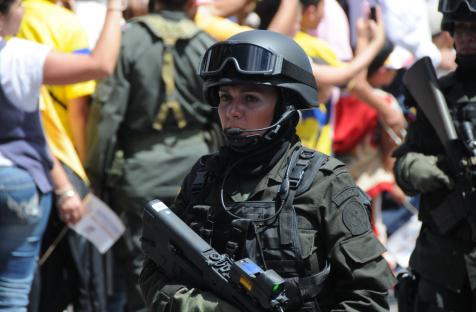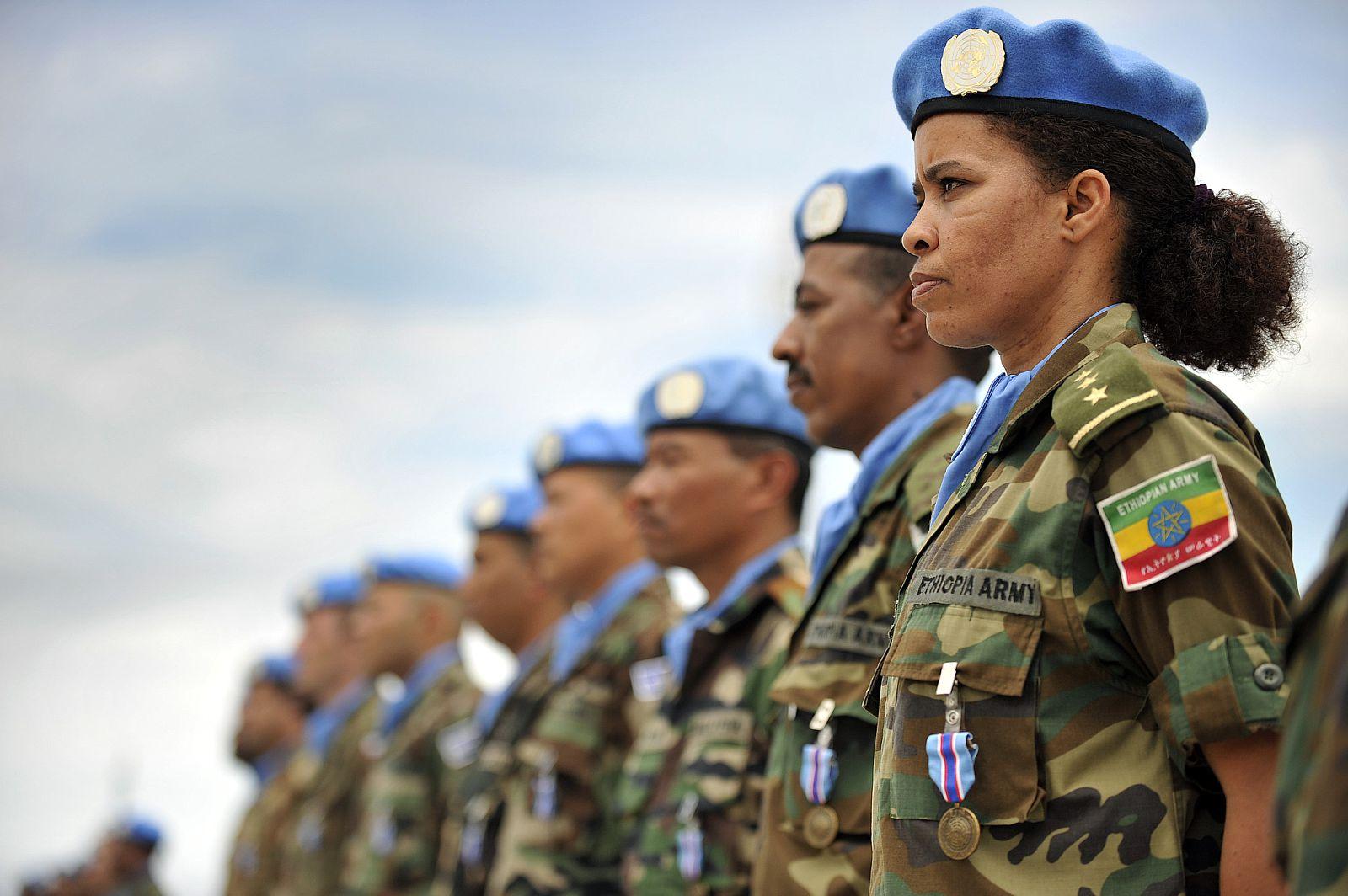
Women, Peace and Security

Established international norms and standards promote the protection of women during armed conflict and their participation in peace and security decision-making. The UN Security Council resolution 1325 on women, peace and security (UNSCR 1325) is one of the critical tools for moving the gender equality agenda forward in conflict and postconflict situations.

WOMEN AND THE TRANSITION FROM CONFLICT IN NORTHERN IRELAND: LESSONS FOR PEACE-BUILDING IN ISRAEL/PALESTINE

Back
May 1, 2013

WOMEN AND THE TRANSITION FROM CONFLICT IN NORTHERN IRELAND: LESSONS FOR PEACE-BUILDING IN ISRAEL/PALESTINE

When we take the experiences of women seriously, the lessons that we can draw from the Northern Ireland peace process for future peace tracks in the Middle East are not necessarily the same lessons that are h

When we take the experiences of women seriously, the lessons that we can draw from the Northern Ireland peace process for future peace tracks in the Middle East are not necessarily the same lessons that are h

Implementing UNSCR 1325 in the Asia-Pacific Region

Back
May 1, 2013

Implementing UNSCR 1325 in the Asia-Pacific Region

In 2009, the Australian Agency for International Development’s (AusAID) Gender Policy and coordination Section commissioned research on ‘Women, Peace and Security in AusAID Partner Countries: Analysis of the United Nations Security Council Resolution 1325’ (UNSCR 1325).

In 2009, the Australian Agency for International Development’s (AusAID) Gender Policy and coordination Section commissioned research on ‘Women, Peace and Security in AusAID Partner Countries: Analysis of the United Nations Security Council Resolution 1325’ (UNSCR 1325).

April 29, 2013
Misconceptions Abound On Gaza's Women, Politics

It has become commonplace when reading about Gaza to come across descriptions of it as an "Islamist enclave" or "Hamas-controlled territory" and so on.

April 1, 2013
Political and social rights: women after the Arab Spring

Women across the Middle East participated actively in what came to be called the Arab Spring that began in late 2010.

March 6, 2013
Supporting women in the democratic transition process in Libya

International IDEA has received numerous requests from Libyan civil society organizations, the National Transitional Council (NTC), the interim government and other official bodies to support the transition to democracy.

Women as Agents of Peace

Back
December 14, 2012

Women as Agents of Peace

In 2011, the United States established a national action plan to implement a U.N. resolution that calls for the equal participation of women in resolving conflicts and building peace.

The document is a summary of the U.S. National Action Plan on Women, Peace, and Security.

In 2011, the United States established a national action plan to implement a U.N. resolution that calls for the equal participation of women in resolving conflicts and building peace.

The document is a summary of the U.S. National Action Plan on Women, Peace, and Security.

December 10, 2012
Afghanistan: The Forum on Women, Peace & Security in Afghanistan

The Forum on Women, Peace and Security in Afghanistan, 4-6 December 2012, jointly supported by the N-Peace Network and the Research Institute for Women, Peace and Security (RIWPS), was attended by women Members of Parliament and more than 80 women representatives of the Provincial Peace Councils

December 7, 2012
Israel and Palestine: Conflict Shuns Female Brokers

Rachel Dolev, former director of the censorship office of the Israeli military, wrote about the failure to implement Resolution 1325 in August in an article for the Israeli news source Yedioth Ahronoth (also known as Ynet).

November 28, 2012
Global: PCDN Interview with Sanam Naraghi-Anderlini is the co-founder of the International Civil society Action Network (ICAN)

Sanam Naraghi-Anderlini is the co-founder of the International Civil society Action Network (ICAN) (www.icanpeacework.org), a US-based NGO dedicated to supporting civil society activism in peace and security in conflict-affected countries.