Sexual Politics Why men and women are diverging ideologically, even as they become more alike economically and educationally.
Source: City Journal
In most wealthy nations, women have steadily closed the gap with men in education, income, and professional achievement. Today, they earn the majority of undergraduate and graduate degrees, including doctorates. More than half of all STEM degrees now go to women, and their presence in the tech industry has grown—from 31 percent in 2019 to 35 percent in 2023. In major metropolitan areas like Boston, New York, Los Angeles, and Washington, D.C., women under 30 now match or outearn their male peers.
Given these gains, one might expect that as men and women converge in education and income, their cultural values and outlook on the world would also grow more aligned. Yet the opposite seems to be happening.
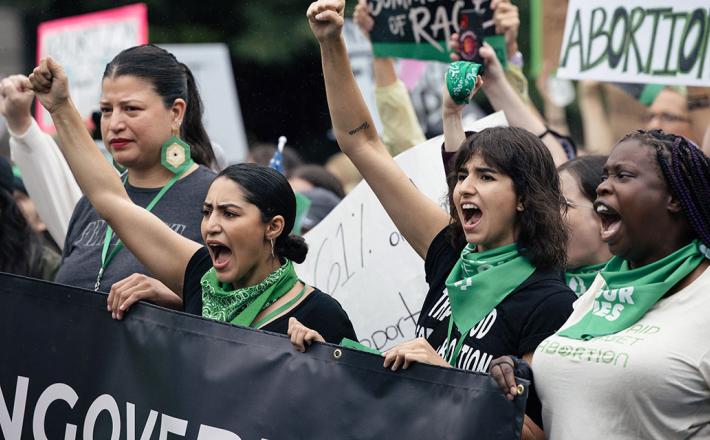
Nowhere is this divergence more striking than in politics. Since 2014, young women in the U.S. have grown increasingly left-leaning, while the political orientation of young men has remained relatively stable. By 2021, 44 percent of young women identified as liberal, compared with just 25 percent of young men—the largest gender gap in political affiliation recorded in 24 years of polling.
Why would men and women grow more politically divided even as they become more economically and educationally alike? The answer lies in persistent psychological and behavioral sex differences that continue to shape how each group sees the world.

Hear from women leading change in the political space share their experiences and insights.

Explore a wide-range of audio-visual resources on key topics of gender equality.

Hear from a diverse list of panelists and guests as they reflect on critical issues pertaining Women in Politics.