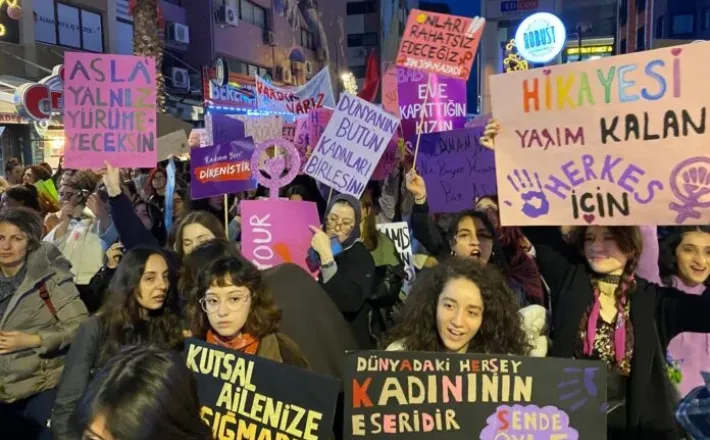
The state of women’s rights in Turkey showed no meaningful improvement in 2025, as longstanding problems persisted and new challenges emerged. Femicides, institutional failures to protect women and increasing inequalities in social and political representation remained defining features of the year, with women’s rights defenders continuing to face legal and administrative measures aimed at curbing their activities.
Femicides in 2025 were marked not only by extreme violence but also by judicial processes that renewed concerns over impunity. The case of Rojin Kabaiş, a 21-year-old university student whose body was found three weeks after she went missing, became a striking example of this pattern. Despite authorities’ repeated assertions that her death was a suicide, details brought to light through the persistence of her family and public scrutiny pointed to the possibility of homicide and further intensified concerns over accountability.

Hear from women leading change in the political space share their experiences and insights.

Explore a wide-range of audio-visual resources on key topics of gender equality.

Hear from a diverse list of panelists and guests as they reflect on critical issues pertaining Women in Politics.