Just four years ago, a woman in Afghanistan could technically decide to run for President, attend university, or play sports.
Today, none of that is possible. Even before the Taliban took power in August 2021, Afghanistan ranked among the lowest countries in the world for gender equality. But there had been hard-won gains. Now, under the Taliban’s de facto rule, those gains have been erased and Afghanistan has become the world’s most severe women’s rights crisis.
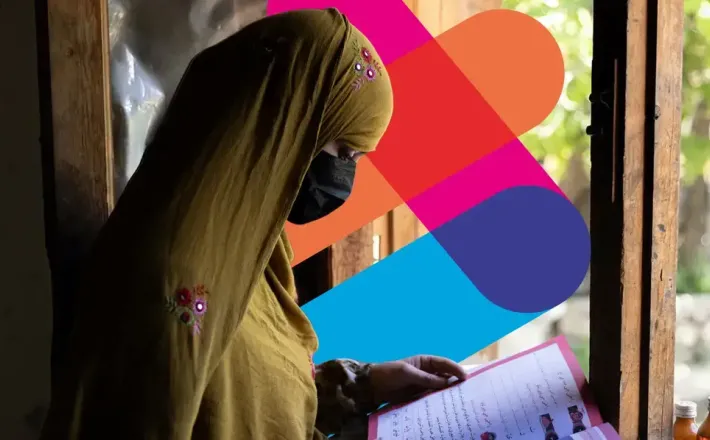
Yet the fierce determination and resistance of Afghan women continues to burn – and inspire. Despite near-total restrictions on their lives, they still find ways to run businesses and work on the front lines as humanitarian workers, journalists and community leaders.
“Sometimes, I wonder how to remain hopeful in these dark circumstances,” says Fariba (name changed), who had just started a degree when universities were closed to women. “Nonetheless, I remain hopeful for the future and reassure myself that darkness will end soon, and women and girls in our society will once again access opportunities for work, education and their basic rights.”
Full article published here.

Hear from women leading change in the political space share their experiences and insights.

Explore a wide-range of audio-visual resources on key topics of gender equality.

Hear from a diverse list of panelists and guests as they reflect on critical issues pertaining Women in Politics.