Delaying reserved seats bill may limit women’s political participation
Source: Tribune Online Nigeria
The Folashade Bada Ambrose has warned that delays in passing the Reserved Seats Bill for women could significantly weaken female representation in governance ahead of the 2027 elections.
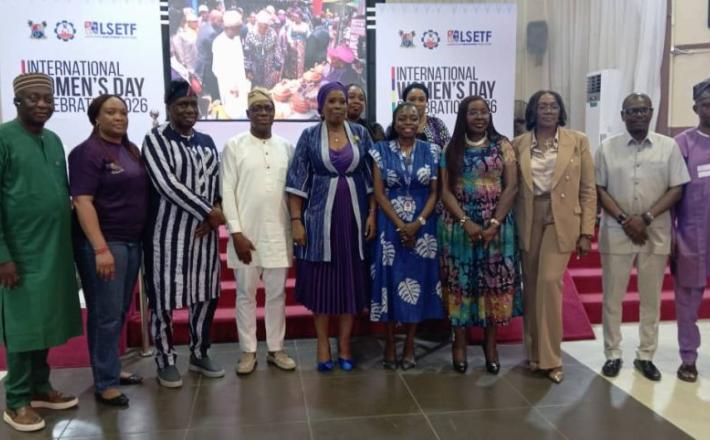
Ambrose raised the concern on Tuesday during the 2026 International Women’s Day event held in Alausa, Ikeja, noting that time constraints may hinder the bill’s effectiveness.
She explained that recent adjustments to the election timetable by the Independent National Electoral Commission (INEC) have reduced the window available to implement reforms aimed at increasing women’s political participation.
The time available to operationalise critical proposals that expand participation, especially through the Reserved Seats Bill for women, is now shorter,” she said.
According to her, if the bill is not implemented before party primaries, it would have little or no impact on candidate selection or election outcomes.
“If they do not influence candidacy, they cannot influence outcomes. And if outcomes remain unchanged, a significant portion of the women population will remain underrepresented for another electoral cycle,” she added.

Hear from women leading change in the political space share their experiences and insights.

Explore a wide-range of audio-visual resources on key topics of gender equality.

Hear from a diverse list of panelists and guests as they reflect on critical issues pertaining Women in Politics.