HAVANA TIMES – Women’s political participation in Latin America and the Caribbean has increased over the last 25 years, especially in the legislative branch, but this rise has been accompanied by more discrimination and violence, amplified and accelerated by cyberspaces.
A report by the United Nations Development Program (UNDP) notes that, despite the progress, the region “is still far from achieving gender parity,” since, “as female participation grew, so did the challenges women face.”
“Among the persistent barriers, digital political violence has become an increasingly significant obstacle,” the report states.
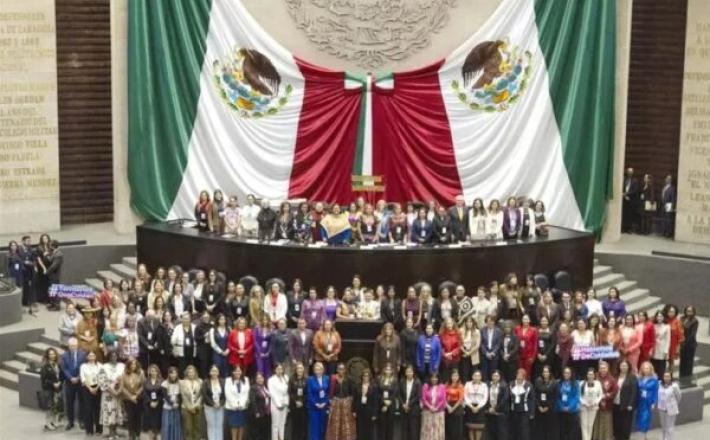
In its most recent Graph For Thought, the regional UNDP emphasizes that in 2024, the Latin American and Caribbean region registered the highest proportion worldwide of Congressional seats held by women, with 36.5% of the total seats.
That statistic places them above the 33.3% overall Congressional participation of women in the OECD countries (Organization for Economic Cooperation and Development), which are mostly industrialized nations, as well as the global average of 27%.
That same year, the proportion of women magistrates in supreme courts was five times higher than in 1998, rising from 5.5% to 28.2%. Representation in national Parliaments and municipal councils also doubled during that period.
Meanwhile, the percentage of women holding Cabinet-level positions increased from 17.1% to 30.4%. Some local spaces showed greater resistance to change, however: in 2024, only 15.9% of mayors in the region were women, making this the area with the lowest female representation.

Hear from women leading change in the political space share their experiences and insights.

Explore a wide-range of audio-visual resources on key topics of gender equality.

Hear from a diverse list of panelists and guests as they reflect on critical issues pertaining Women in Politics.