May 1, 2024
Silencing women’s voices: state and de facto state architecture denying women political agency
Summary
Summary
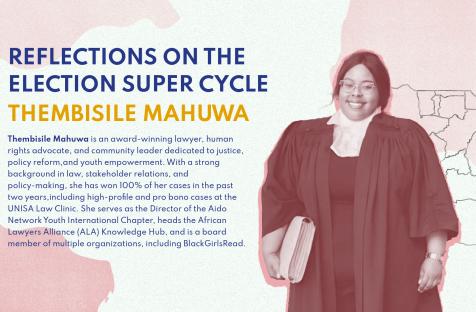
The persistent underrepresentation of women in executive political leadership remains a glaring global concern, particularly across Africa, where entrenched patriarchal structures continue to impede gender parity in governance.
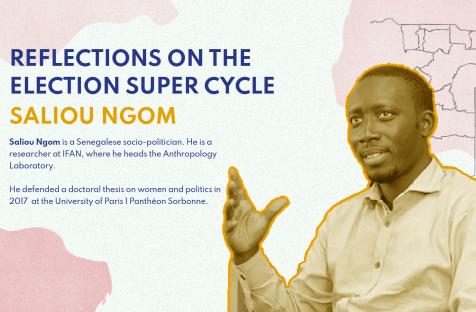
This contribution analyses the effects of the application of the law on parity on the Senegalese political arena.
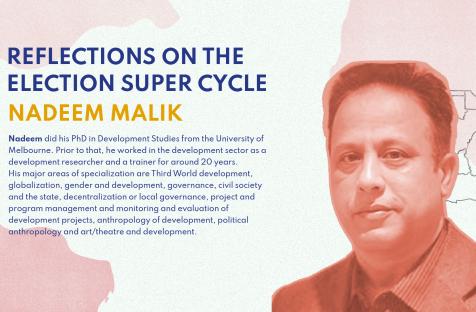
Gender mainstreaming in state institutions is essential for promoting gender equality in society. One effective approach to achieving this goal is through political and cultural advocacy focused on gender issues.
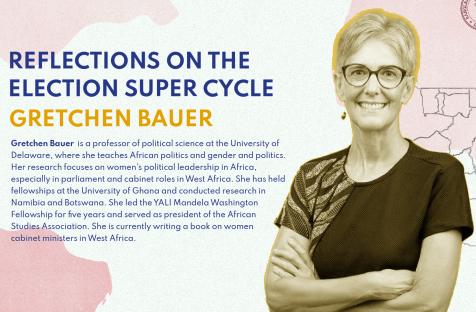
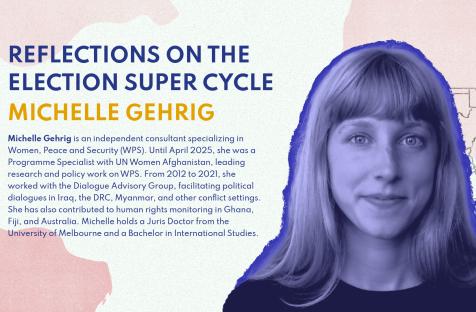
Across the world in 2024, more than 70 national elections were held, affecting more than half the world’s population. Some trends emerged from these elections including the ousting from office of incumbents and voting into office of more rightwing populists.
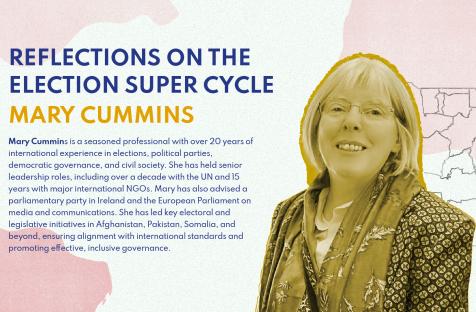
Ireland lags far behind most European countries when it comes to women representation in the national parliament despite the introduction of a 40% candidate gender quota for the Irish general election held on 29 November 2024
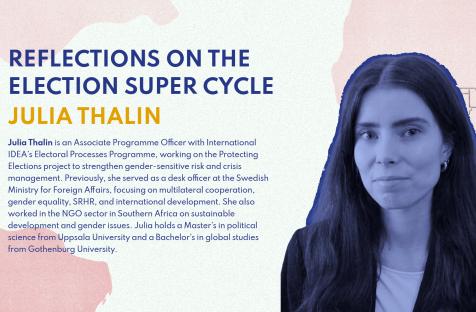
The 2024 election super-cycle has put electoral integrity in the spotlight. Yet, discussions on this issue often fail to consider the interlinkages with gender equality.
In September 2024 a long anticipated Affirmative Action Bill (AA Bill) was signed into law in Ghana. But you would hardly know it in early 2025 following parliamentary and presidential elections and the appointment of new cabinet ministers.