Four years under Taliban rule: UN warns 78% of Afghan women and girls are out of school and work
Source: Asiaplustj
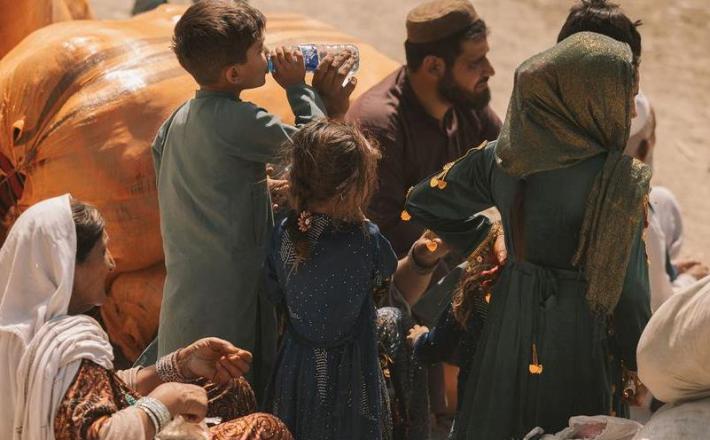
This year, over 2 million Afghans — including half a million children — have returned from Iran, Pakistan, and Central Asia; photo: UN News Center / IOM.
Four years after the Taliban’s return to power, Afghan women and girls face sweeping restrictions that have stripped them of basic rights and opportunities, deepening poverty and worsening a humanitarian crisis, UN Women and UNICEF warned in a joint statement, according to UN News Center.
According to the Afghanistan Gender Equality Index, the rollback of women’s rights is accelerating the country’s social and economic decline, widening inequality in healthcare, education, employment, security, and governance.
Severe restrictions, severe consequences
Girls are banned from attending school beyond the age of 13, while women are barred from most professions and from political participation. In some areas, women cannot leave home without a male escort, and in many families they are denied the right to make independent decisions.
UN Women estimates that the ban on secondary education for girls costs the country 2.5% of its GDP each year. Restrictions on training female doctors — coupled with limits on women receiving care from male physicians and a decline in foreign aid — have sharply reduced access to healthcare. This has contributed to rising maternal mortality, an increase in child marriages, and more cases of violence against women.

Hear from women leading change in the political space share their experiences and insights.

Explore a wide-range of audio-visual resources on key topics of gender equality.

Hear from a diverse list of panelists and guests as they reflect on critical issues pertaining Women in Politics.