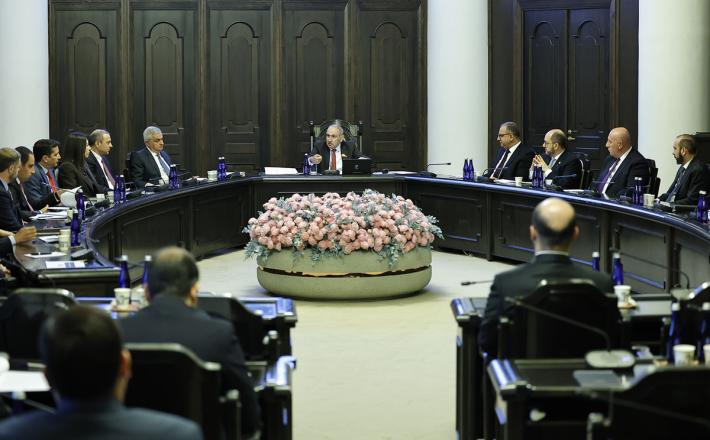
As Armenia moves toward another electoral cycle, the issue of women’s political participation has once again returned to the center of public debate. Political parties speak of inclusivity, electoral quotas are revisited in campaign rhetoric, and public statements emphasize the importance of “equal opportunities.” Yet beneath this familiar discourse lies a more complicated reality. Despite two decades of legislative reforms and a visible increase in the number of women in public office, Armenian politics remains overwhelmingly shaped by male dominance, while women’s participation is often more symbolic than substantive.
The contradiction is striking. On paper, Armenia has made measurable progress. Women today occupy positions that were historically inaccessible to them, including roles in the judiciary, law enforcement and the executive branch. Yet the political culture itself remains deeply patriarchal — and frequently hostile toward women who attempt to enter it. Female politicians are not judged solely on ideology, competence or political strategy. Instead, they are often forced to navigate public scrutiny over their appearance, personal relationships, marital status and motherhood. The result is a system in which representation may be increasing numerically, but the underlying logic of power remains largely unchanged.

Hear from women leading change in the political space share their experiences and insights.

Explore a wide-range of audio-visual resources on key topics of gender equality.

Hear from a diverse list of panelists and guests as they reflect on critical issues pertaining Women in Politics.