In Kenya’s political arena, women are rarely seen as leaders in their own right. Instead, they are often labelled with degrading terms like flower girls or slay queens, or portrayed as sidekicks to powerful men. These sexist narratives undermine their legitimacy and overshadow their ideas and capabilities.
This problem is not unique to Kenya. When a US governor dismissed Vice President Kamala Harris because she lacked “humility” as a stepmother, it reflected a global pattern that reduces women’s value to their biological or marital roles.
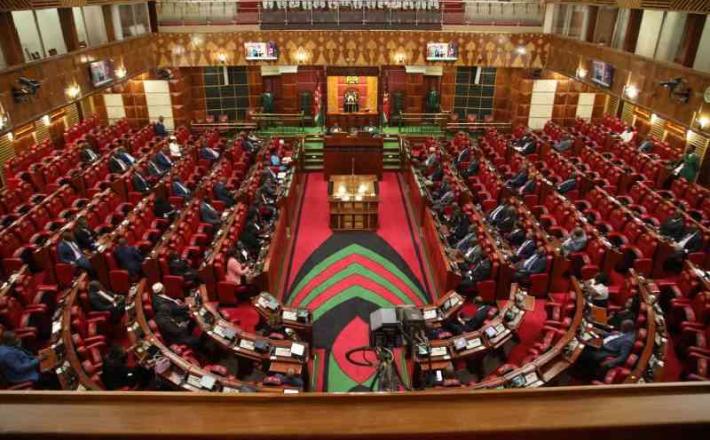
In 2010, Kenya took a bold constitutional step by enshrining the two-thirds gender principle, which requires that no more than two-thirds of any elected or appointed body be of the same gender. On August 27th, we celebrated the 15th anniversary of this Constitution. Yet despite this milestone, the promise of gender equity remains unfulfilled. This failure is not due to legal complications but a deliberate refusal to share power with women. Today, women hold only 23.3 per cent of National Assembly seats, 31.3 per cent in the Senate, and just six out of 47 governor positions. This is despite women making up over half of Kenya’s population. Women remain political outsiders in a system they helped build. Their exclusion is a loss for democracy and denies women their rightful place in shaping Kenya’s future.

Hear from women leading change in the political space share their experiences and insights.

Explore a wide-range of audio-visual resources on key topics of gender equality.

Hear from a diverse list of panelists and guests as they reflect on critical issues pertaining Women in Politics.