Women in India are transforming the landscape of electoral politics with unprecedented force. Their turnout has now overtaken male participation in many elections — for instance, women reported a 65.8% turnout in the 2024 General Elections as against 65.6% for men, and an extraordinary 71.6% in the Bihar Assembly elections of November 2025 as against 62.8% for men. This shift has made women an electoral constituency of immense significance. Even though their numerical representation in lawmaking remains low, their growing presence as voters has recalibrated political strategy. Welfare schemes, cash transfers, and targeted development programmes are now routinely crafted around women, reflecting a recognition that “investing” in this constituency yields tangible political dividends.
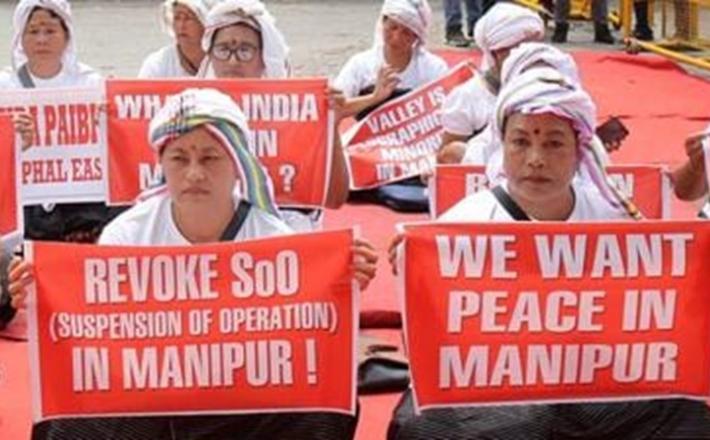
In conflicts within India, women’s groups have repeatedly taken risks to mediate peace. In present-day Manipur, women work discreetly to support displaced families in relief camps, rebuild relationships, and restore threads of trust.
Yet, this dynamic raises more profound democratic questions. Does this “quid pro quo” empower women as full political agents? Women must not remain mere labharthis (passive recipients of State benevolence). A democracy worthy of its constitutional promise requires women as active claimants of rights, voice, and agency in policy arenas.

Hear from women leading change in the political space share their experiences and insights.

Explore a wide-range of audio-visual resources on key topics of gender equality.

Hear from a diverse list of panelists and guests as they reflect on critical issues pertaining Women in Politics.