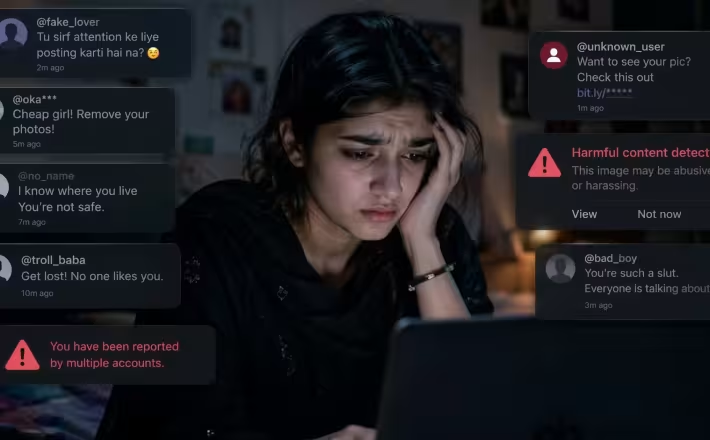
The Digital Rights Foundation has reported a sharp rise in technology-facilitated gender-based violence in its 2025 annual review, with 1,132 cases of male-perpetrated abuse recorded through its Digital Security Helpline.
According to the report, this was the most commonly reported form of online harassment during the year. The cases included blackmail, doxxing, and misuse of identity, with women and girls continuing to make up the majority of victims.
The report also flagged a rise in abuse carried out by anonymous perpetrators, driven by the increasing use of fake profiles and AI-generated content. These tactics have made it harder to trace offenders and have further complicated efforts to secure justice for survivors.
Another worrying trend highlighted in the review was the increase in intimate partner harassment. Such cases climbed from 218 in 2024 to 253 in 2025, showing how digital platforms are increasingly being used to monitor, threaten, and harass current or former partners across multiple channels.
While the helpline continues to offer support to survivors, the report said slow legal action and delayed platform responses are adding to the mental and emotional burden faced by victims.
The foundation also pointed to the continued vulnerability of marginalized groups, especially transgender individuals, who remain exposed to targeted online abuse. Many still avoid reporting incidents due to social stigma, fear of backlash, and weak legal protections.
The report said the scale and complexity of digital abuse now demand stronger coordination between civil society, tech platforms, and law enforcement. It warned that as online violence increasingly spills into real-life harm, survivor-focused support systems can no longer remain an afterthought.

Hear from women leading change in the political space share their experiences and insights.

Explore a wide-range of audio-visual resources on key topics of gender equality.

Hear from a diverse list of panelists and guests as they reflect on critical issues pertaining Women in Politics.