Advocates belonging to liberal parties in Asia have called for an end to the non-physical violence against women in politics.
House Deputy Minority Leader Leila de Lima of ML Party-list, Deputy Director for Youth Development Michelle Wu of Taiwan’s Democratic Progressive Party and V Srivarathanabul, MP candidate of Thailand’s Democrat Party, raised the concern during the Council of Asian Liberals and Democrats (CALD) forum on Democracy Resilience at Risk: Violence Against Women in Politics in Asia held late Thursday.
“When we speak of violence against women in politics, we often describe it in terms of harm: harm to dignity, harm to safety, harm to participation. In the Philippines, we are often told we are doing above average because women are visible in public office, yet many of those openings still run through dynastic gates and the political culture remains deeply patriarchal and intensely masculine,” de Lima said.
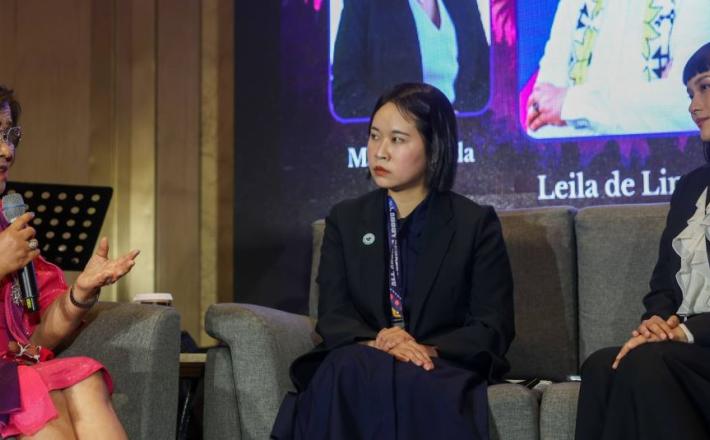

Hear from women leading change in the political space share their experiences and insights.

Explore a wide-range of audio-visual resources on key topics of gender equality.

Hear from a diverse list of panelists and guests as they reflect on critical issues pertaining Women in Politics.