
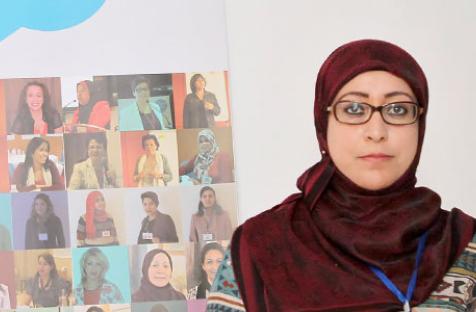
Ikram Ben Said is a women’s rights
4358: Tunisia, 06/10/2024, Tunisian Presidency 2024

| Quota Information | Parliament Information | ||
|---|---|---|---|
| Are there legislated quotas? | Yes | Structure of parliament | Bicameral |
| For the Single/Lower House? | Yes | >Current members | 217 |
| Percentage of women | 26.27% | ||
| Source: Gender Quotas Database | Source: New Parline | ||
Note: this page was last updated on October 4, 2022.
Election for:
July 14, 2023
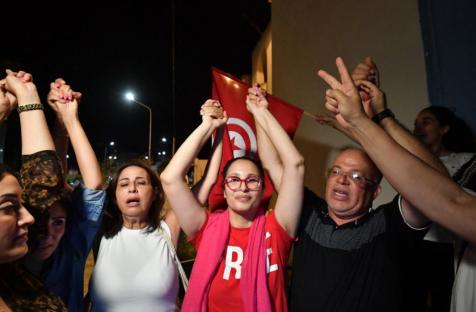
First female political prisoner in Saied's Tunisia, Chaima Issa, is free
Chaima Isaa, the first female political prisoner in Saied's Tunisia, was finally liberated after spending more than five months in jail but expressed concern about fellow activists still behind bars.
November 3, 2022
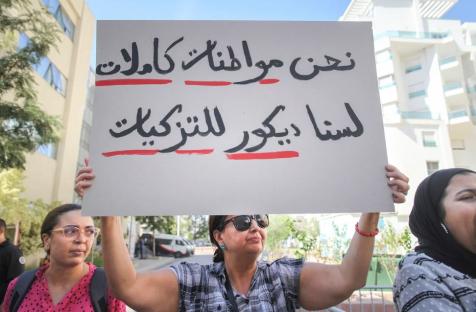
Tunisia tramples gender parity ahead of parliamentary elections
Recent Change to Electoral Law Reverses Major Advance for Women’s Rights
November 3, 2022
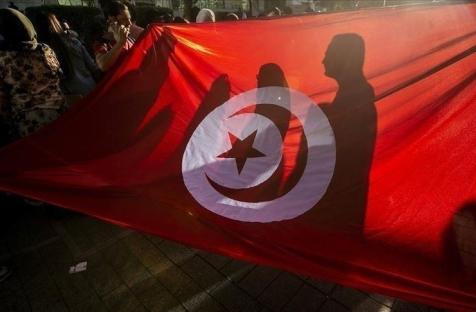
Over 1,400 candidates apply for parliamentary elections in Tunisia
Parliamentary elections slated for Dec. 17, women representation stands at 15%
September 30, 2021
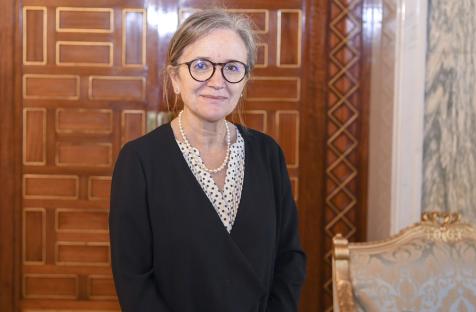
Tunisia's new Prime Minister is the first woman to lead a government in the Arab world
Najla Bouden Ramadhane, a university engineer with World Bank experience, has been lifted from political obscurity to become Tunisia's — and the Arab world's — first female prime minister.

July 28, 2020
Trailblazing French feminist Gisele Halimi dies aged 93
Tunisian-born French lawyer Gisele Halimi, who devoted her life to the feminist cause and was instrumental in winning the decriminalisation of abo
March 4, 2020
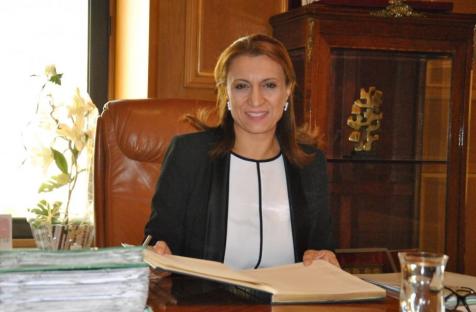
The first freely elected woman mayor of an Arab capital defies stereotypes
The Arab Spring began ten years ago this December when a Tunisian fruit vendor set himself on fire to protest police harassment and corruption under the North African country’s autocratic regime.
October 8, 2019
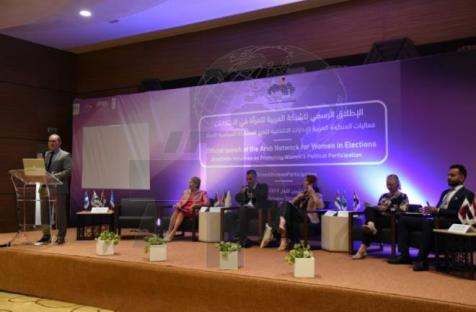
Network of arab women in elections launches in Tunis
The Network of Arab Women in Elections was launched Saturday in Tunis as part of a joint initiative involving the Arab Organisation for Electoral Management Bodies (ArabEMBs), the UNDP Regional Electoral Support Project and the International Institut
October 8, 2019
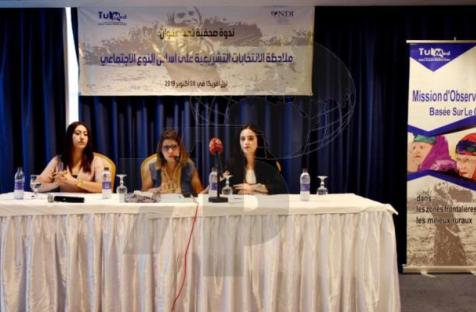
Tunisia: Call for taking into consideration right of women voters in rural and border areas to take part in election campaigns
The preliminary report on the observation of the elections, based on gender, conducted by the Tunisian Mediterranean Centre (TUNMED), called all the candidates to take into account the right of women voters in rural and border areas to take part in e
September 10, 2019
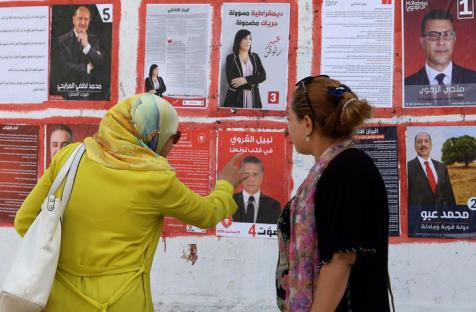
Tunisian women absent from presidential campaign
Tunisia has long been seen as a pioneer for women's rights in the Arab world, but on the eve of presidential elections, women are calling this reputation into question.
September 7, 2018
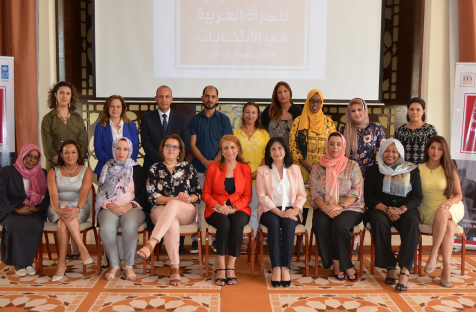
Regional network to promote women in elections working group meeting in Tunis
To further discuss the establishment of a gender electoral network in the Arab region, the Organization of Arab Electoral Management Bodies (Arab EMBs), the UNDP and the International Institute for Democracy and Electoral Assistan
August 31, 2018
Historic leap in Tunisia: Women make up 47 per cent of local government
Seven years after the 2011 Revolution and four years after the adoption of the Constitution, women now make up 47 per cent of the local council positions in Tunisia following the May 2018 elections.
August 24, 2018
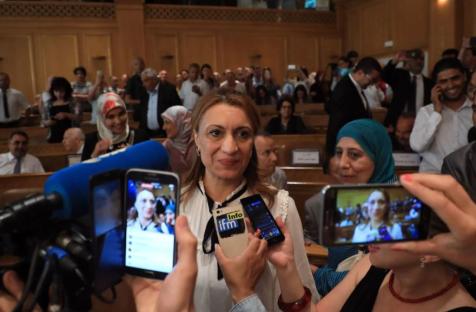
Meet Souad Abderrahim, the first female mayor of Tunisia’s capital in 160 years
Souad Abderrahim is not like the past 32 mayors of this North African capital. They hailed from wealthy, influential families. She’s a self-made businesswoman. They were political appointees.
July 3, 2018
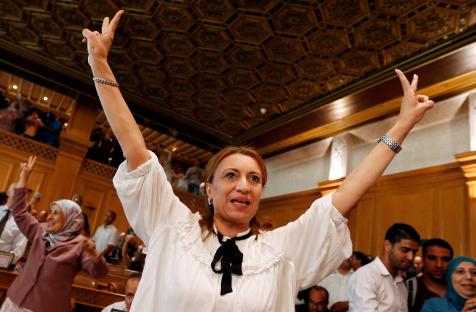
Tunisia's capital elects first female mayor
Souad Abderrahim is from Tunisia's moderate Islamic party, which advocates for separating politics from religion.
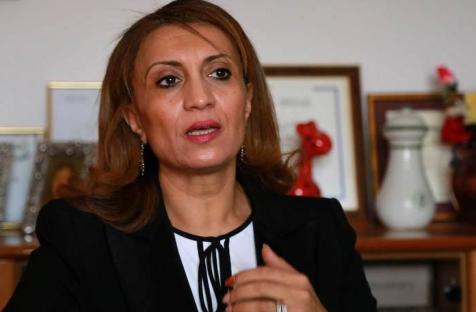
May 25, 2018
Tunisian women win at polls but long road remains
The Independent High Authority for Elections said May 9 that Tunisian women
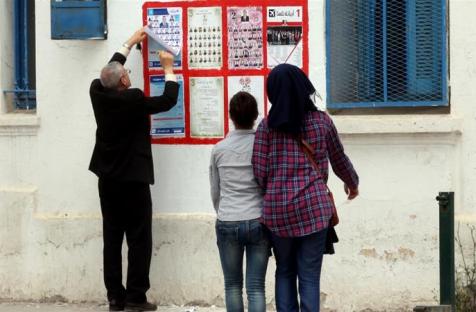
April 24, 2018
Will Tunisia's municipal elections change anything?
Tunisians will head to the polls on May 6 to vote in the country's first free municipal elections since the removal of President Zine El Abidine Ben Ali and
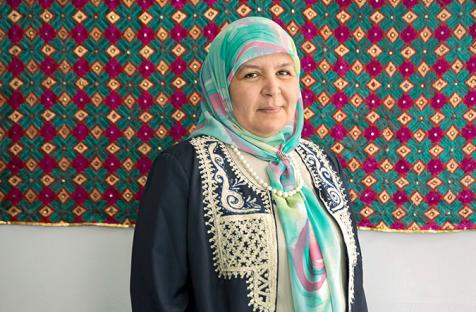
August 1, 2017
From where I stand: “Women have to be at the heart of the Africa of tomorrow”
Mehrezia Maïza Labidi chair
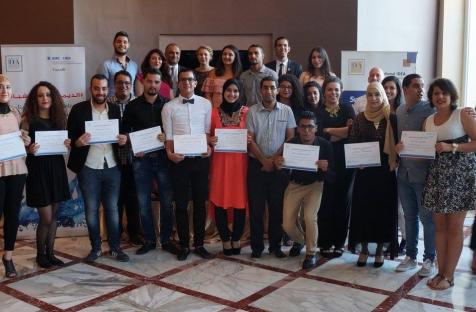
July 27, 2017
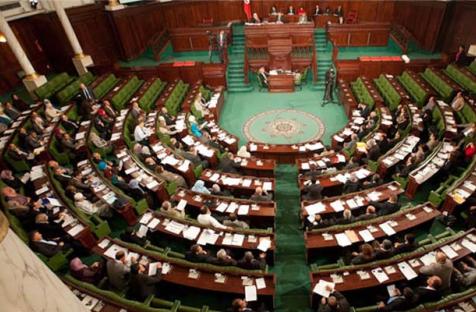
Tunisia’s parliament passes landmark law to ‘end all violence’ against women
Tunisia’s parliament has ap
May 16, 2017
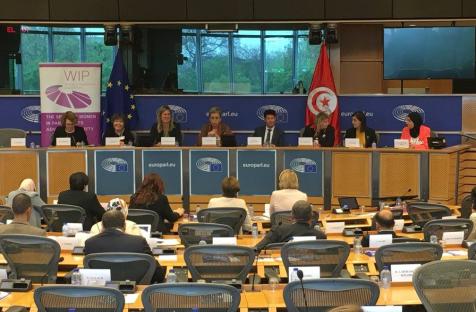
European Parliament Tunisian Week - Women Political Leaders Global Forum
In the framework of the ‘Tunis
July 13, 2016
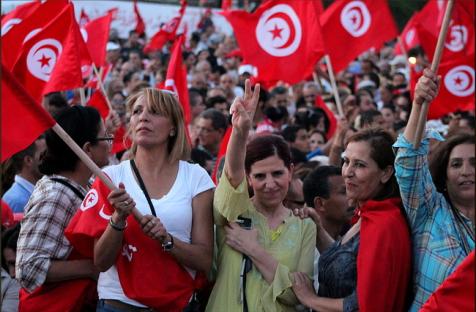
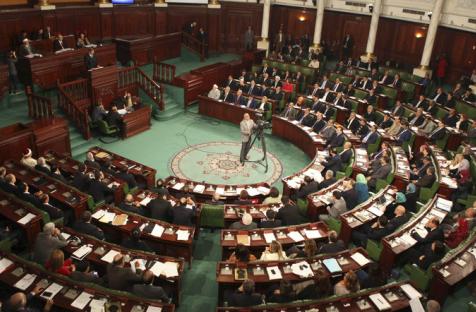
Quota system to empower women in the Arab world
Mohammad Shoeb publishes in Qatar’s The Peninsula this article on women’s integration through quota systems.
June 30, 2016
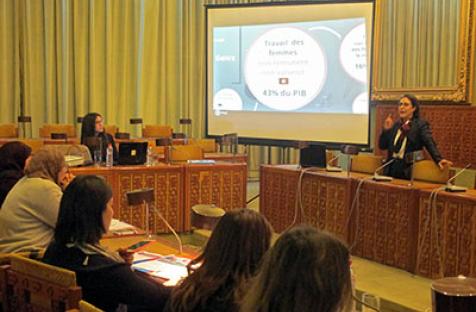
Tunisia moves closer to achieving gender equality in politics
Tunisia’s Parliament has approved a
March 24, 2016
International IDEA holds a workshop series to empower women from nine political parties in Tunisia
International IDEA and the Netherla
January 25, 2016
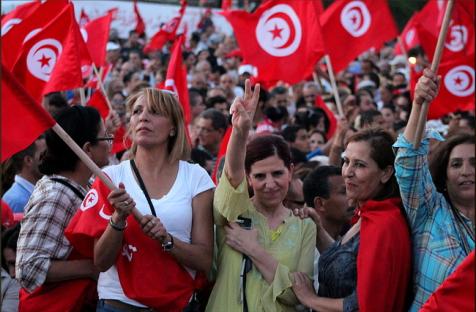
Does Tunisia deserve its reputation as the Arab leader on women's rights?
Among Arab nations, Tunisia has forged itself a reputation over the decades for being a leader in the MENA region on women’s rights and freedoms.
September 30, 2014
Tunisia’s 2014 Parliamentary Elections: A Human Rights Agenda
Tunisian laws protect women’s equality more than the laws of most other countries of the Arab world.
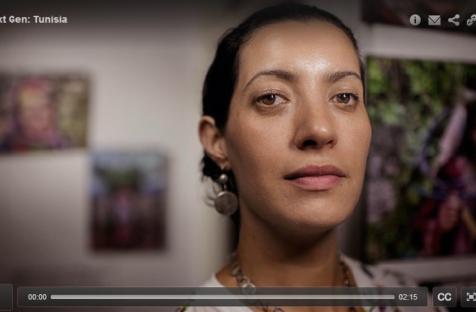
September 11, 2014
Tunisia’s Sister of the Revolution
Ikram Ben Said took part in the Arab Spring's first successful uprising — and then realized that the struggle for women's rights in Tunisia was just beginning
March 14, 2014
Tunisia: Two Thirds of Tunisians Support Women's Participation in Politics (survey)
Two thirds of Tunisians support women's participation in political life, according to the results of a survey presented Saturday in Tunis.
January 28, 2014
Gender in the new Tunisian Constitution - UNDP Fact Sheet
The new Constitution of Tunisia was adopted by an overwhelming majority of the country’s National Constituent Assembly on Sunday evening, January 26 2014, and signed and promulgated in a ceremony at the Assembly on January 27 2014.
January 27, 2014
Tunisia's Ennahda and Ettakattol women MPs celebrate
Tunisia's new constitution could usher in momentous change for women, following the adoption of a clause which guarantees gender equality in legislative assemblies and for steps to be taken to protect women against violence, a first in the Arab world.
January 27, 2014
Tunisia signs new constitution into law
The new constitution, seen as one of the most progressive in the region, guarantees equal rights for men and women.
August 23, 2013
Women reshape Tunisia’s political landscape
Female activists play an invaluable role in the country that gave rise to the Arab Spring
March 11, 2013
Agents of Change: Yousra Fraous, the Arab Institute for Human Rights
Since the revolution of January 2011, IDEA has been following closely the transition to democracy in Tunisia. Over the past two years, the Institute has strengthened its presence on the ground to provide support to the ongoing constitutional process.
May 30, 2012
Woman Magistrate Elected At the Arab Human Rights Under-Commission
A Tunisian magistrate, Mrs. Monia Ammar, was elected as member of the under-commission of Human Rights as part of the League of Arab States.
May 30, 2012
Tunisia: Tunisian First Lady Says Presidency of Regional Organization Will Promote Status of Arab Women
In an interview to the Tunisian monthly opinion magazine “Roua”, Tunisia’s First Lady, Mrs Leila Ben Ali said that Tunisia’s presidency of the Arab Women Organization (AWO) for the next two years “will follow up on the implementation of the Organization’s mechanisms and programs so as to give Ara
May 30, 2012
Tunisia: Return of Islamic Leader Worries Some Tunisian Women
Last week, Sheikh Rachid Ghannouchi and other members of the Islamic al-Nahda Party returned to Tunisia after more than two decades in exile.
May 30, 2012
Inter-Parliamentary Union: Mission of experts to Tunisia
In a bid to lend support to the process of electoral reform in Tunisia as preparations get under way for the election of a Constituent Assembly on 24 July 2011, the IPU dispatched an expert mission to the country from 22 to 24 March 2011.
May 30, 2012
Tunisia: Gender parity at the ballot box, another Tunisian revolution
Tunisia's ruling that men and women must feature in equal numbers as candidates in July polls is an Arab world first that builds on this year's revolt and allays fears of conservative influence, observers say.
May 30, 2012
Tunisia: Tunisian women hold tight to rights after revolution
For Tunis resident Amel, her country's January revolution brought her personal freedom after two decades living in a repressive police state.
