A record number of indigenous women are running for office this year

A report from the Center for American Women and Politics states that, in 2020, 18 Native American women—nine Democrats and nine Republicans—will have run as congressional candi
A report from the Center for American Women and Politics states that, in 2020, 18 Native American women—nine Democrats and nine Republicans—will have run as congressional candi

This year has witnessed more women helming important political positions across the globe. As trailblazers these leaders are doing well in balancing a firm yet empathetic mindset towards people and have become harbingers of growth and development.

In her 2019 memoir, The Truths We Hold: An American Journey, Kamala Harris talks about how, during her first run for office—for San Francisco district attorney, in 2002—she taught herself to campaign.

A century has elapsed since the 19th Amendment granted women the right to vote at the federal level. But no single analysis of those 100 years can explain “the women’s vote,” as it’s impossible to summarize half of the country’s population with one political narrative.
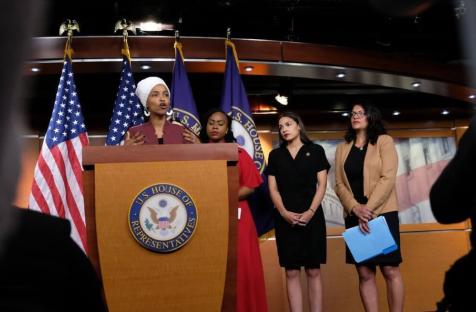
A group of Democratic U.S.
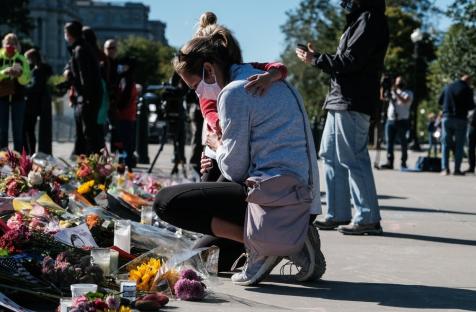
Justice Ruth Bader Ginsburg will lie in state in the United States Capitol on Friday, an unusual honor for a Supreme Court justice and one that has never before been granted to a woman.
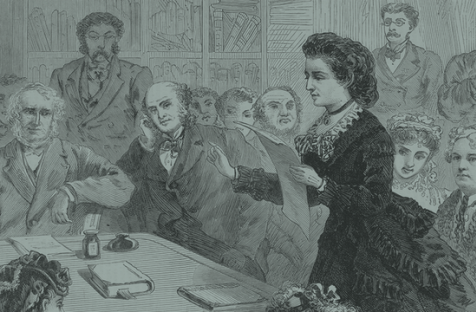
The first woman to formally declare herself a candidate for president of the United States did not build a national campaign or make a splash in debates. In fact, when Victoria Woodhull ran for office in 1872, she could not even vote for herself.

By Sydney Ember and Rebecca R. Ruiz,
In 1993, when Judge Ruth Bader Ginsburg was nominated to the Supreme Court, then-Senator Joseph R. Biden Jr. thanked her for saving his daughter “from having to be the second woman nominee to the Supreme Court.”
