Protecting political campaigns from digital threats
Political campaigns online have demonstrated that they can help candidates win elections, include more citizens’ concerns in political debates or allow upcoming parties to gain political exposure.
While still far from parity, female representation in politics has continuously increased over the last two decades worldwide.
Women who seek to participate in peace processes and political decision-making face many obstacles. To achieve sustainable peace and development, societies emerging from conflict must remove these obstacles.
A seemingly inescapable feature of the digital age is that people choosing to devote their lives to politics must now be ready to face a barrage of insults and disparaging comments targeted at them through social media.
This collaborative report between, Lokniti a programme of the Centre for the Study of Developing Societies and Konrad Adenauer Stiftung has attempted to look at women and politics from a multi-track perspective.
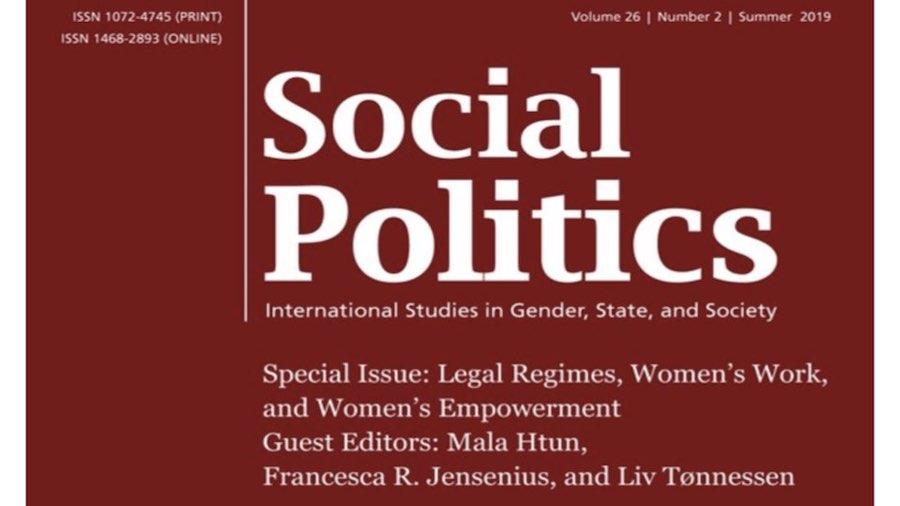
Research showing that there is strong correlation between increased female labor force participation and women’s political participation is essentially based on empirical data from Western, democratic, and developed contexts.
Americans elected more than 100 women to office in the 2018 midterm elections, but women still hold less than a quarter of the seats in Congress.
Political parties act as gatekeepers, meaning that improvements in the representation of women depend on parties’ willingness to nominate women candidates.
Raising women’s political participation leads to faster maternal mortality decline. We estimate that the introduction of quotas for women in parliament results in a 9–12 per cent decline in maternal mortality.