How Have Women Leaders Shaped South Asia’s Politics?

South Asia has elected its share of prominent women politicians. But what has that meant for gender equality and women’s rights on the ground?
South Asia has elected its share of prominent women politicians. But what has that meant for gender equality and women’s rights on the ground?

The year 2020 will be remembered as one of the most consequential in generations: the COVID-19 pandemic devastated lives and livelihoods; millions protested across the country for racial justice following the murder of George Floyd; and the U.S.
As the impact of COVID-19 intensifies globally, we have curated a selection of resources and information on gender-sensitive responses and women’s leadership in times of pandemic.
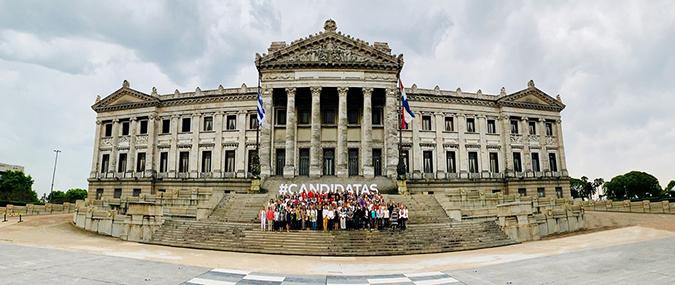
The below findings and graph are from the book Seeing Women, Strengthening Democracy: How Women in Politics Foster Connected Citizens, authored by Magda Hinojosa and Miki Caul Kittilson and released in 2020.

The state of women’s political participation in Zimbabwe is undesirable, an anti-thesis to the country’s development.
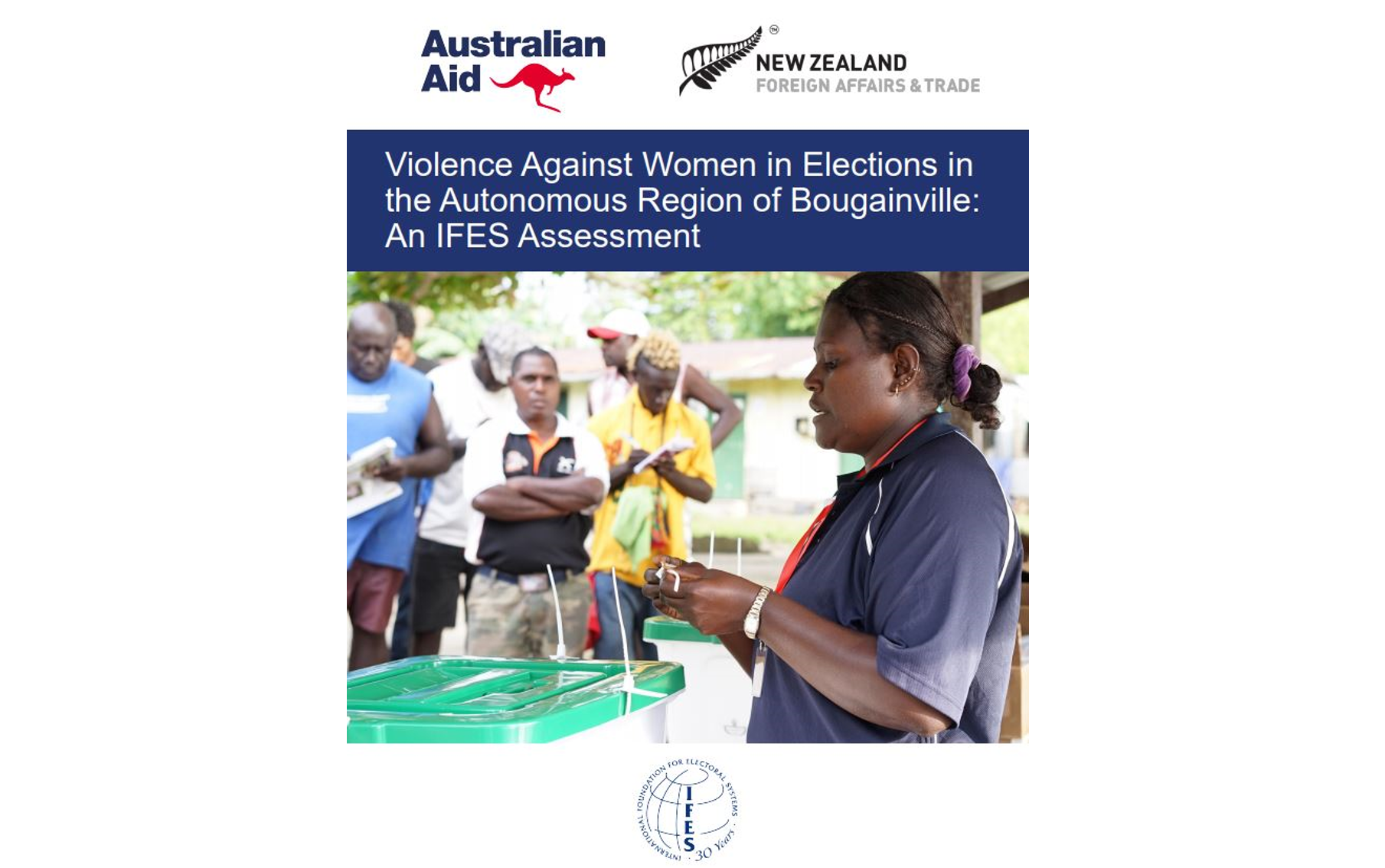
Violence against women in politics is a substantial threat to the integrity of the electoral process, affecting women’s participation as voters, candidates, election officials, activists and political party leaders and undermining free, fair and incl
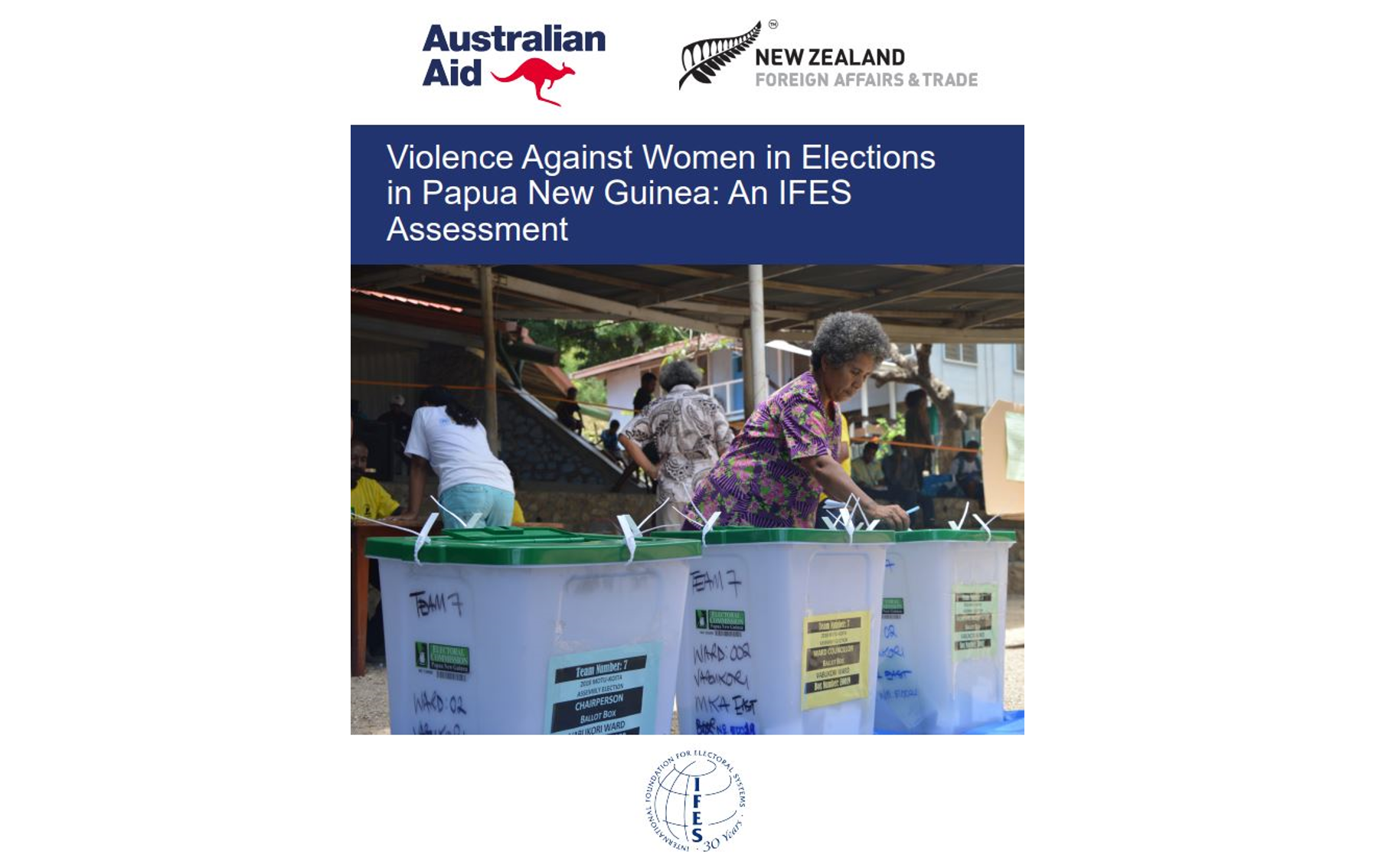
Violence against women in politics is a substantial threat to the integrity of the electoral process, affecting women’s participation as voters, candidates, election officials, activists and political party leaders and undermining free, fair and incl

On October 20, 2018, Afghanistan held its long-delayed national parliamentary (Wolesi Jirga) elections.

The United Nations Development Programme (UNDP) and the United Nations Entity for Gender Equality and the Empowerment of Women (UN Women) have recognized the utility and effectiveness of the UN system ‘delivering as one’.