Septiembre 11, 2025
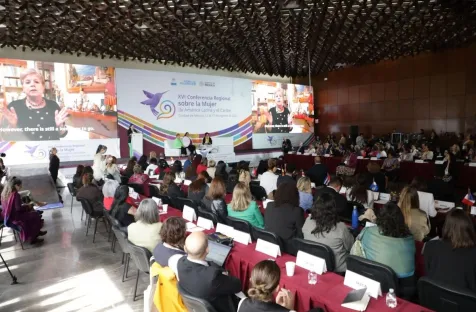
Mujeres están subrepresentadas a nivel político: Bárcena
Ciudad de México.
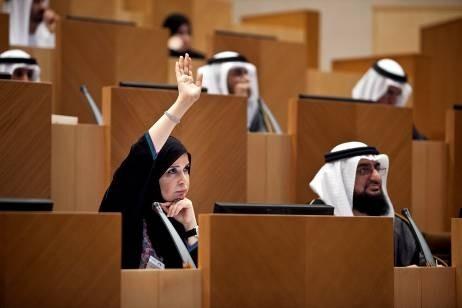
Democracy and the equal participation of men and women in the political arena are closely intertwined. No parliament or any decision-making body can claim to be representative without the participation of both men and women. As stated in the Universal Declaration on Democracy adopted by the Inter-Parliamentary Union’s Member Parliaments in 1997, "The achievement of democracy presupposes a genuine partnership between men and women in the conduct of the affairs of society in which they work in equality and complementarity, drawing mutual enrichment from their differences."
Recent years have seen a steady increase in the number of women in parliament, though the world average of less than 22 percent remains far from the goal of parity between women and men. The election of women to the highest positions of state and government in several countries has also contributed to the changing face of politics.
While the road to election is a difficult one, the challenges for women do not stop there. Once women enter parliament or other bodies, they are faced with many new challenges. Parliament is traditionally a male-oriented domain where the rules and practices have been written by men. It is, therefore, an ongoing challenge to transform parliament into a gender-sensitive environment, to ensure that actions are gender-sensitive and to guarantee that gender is mainstreamed throughout the legislature.
Ciudad de México.
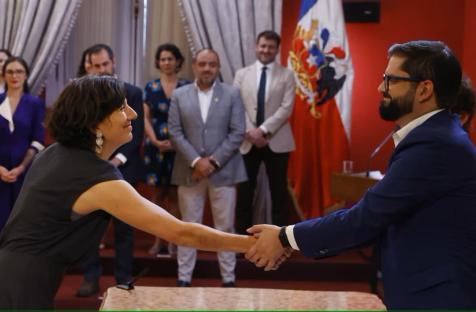
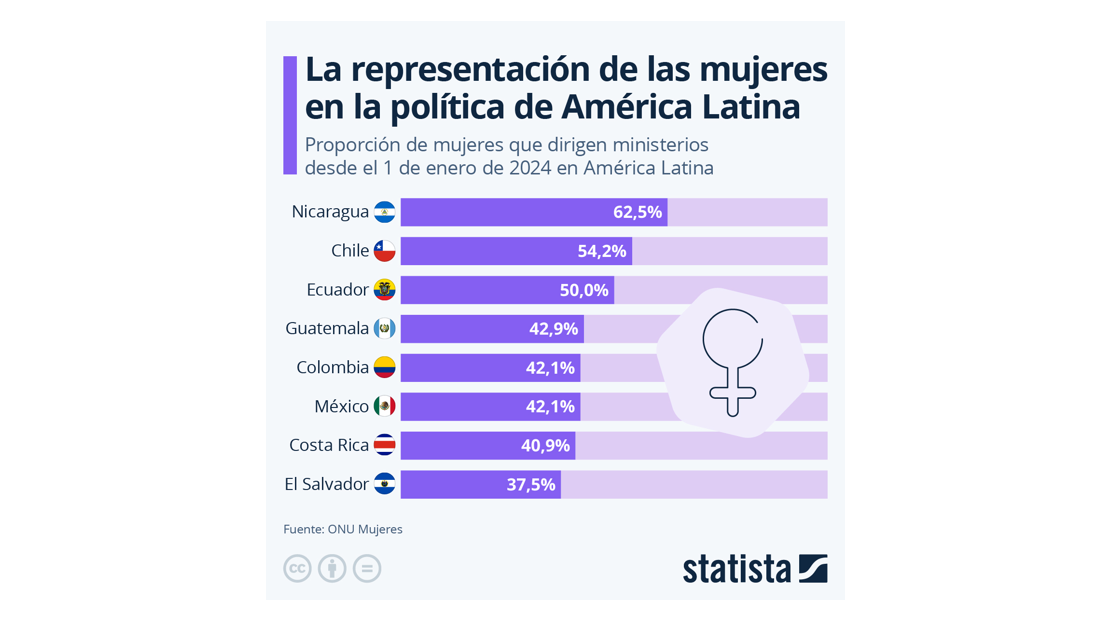
El número de mujeres en puestos de liderazgo político y posiciones ejecutivas está en retroceso en todo el mundo, aunque países como Nicaragua, España y Chile están entre ocho países con más ministras a nive
La representación política de las mujeres en el Perú ha recorrido un largo camino, desde la conquista del derecho al acceso universitario en 1908 con la Ley N.º 801, hasta los actuales esfuerzos legislativos por garantizar una participación igualitaria.
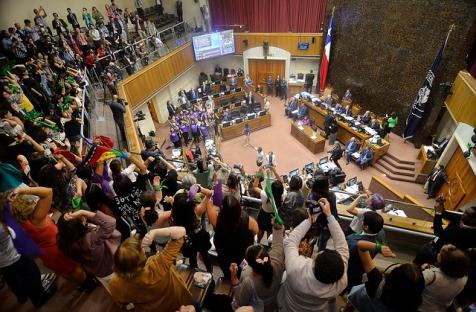
El fin de la ley de cuotas amenaza con un retroceso en la representación política de las mujeres y, por tanto, en los avances logrados en justicia de género y profundización democrática.
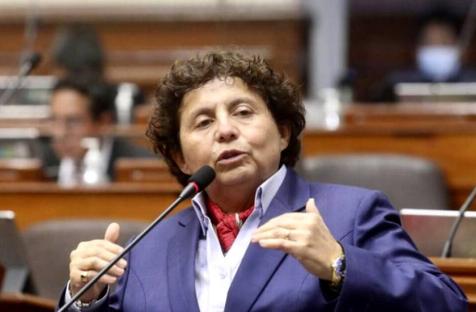
Dieciséis congresistas han denunciado ante la Comisión de Ética a su colega Susel Paredes por
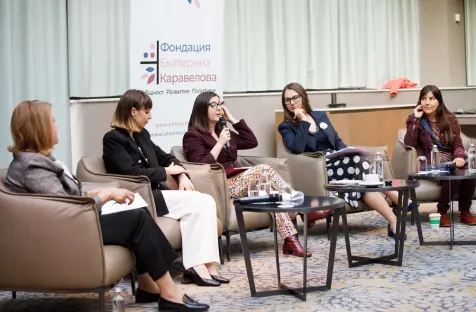
Las mujeres representan el 27% de la nueva Asamblea Nacional de Bulgaria, elegida por voto directo el 9 de junio y juramentada el 19 de junio.
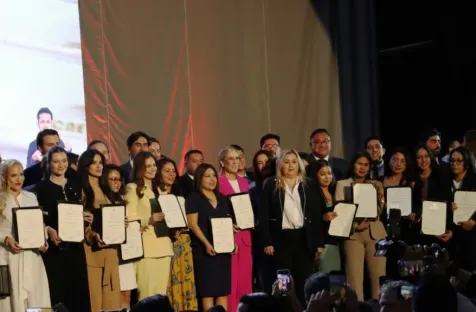
El 9 de febrero de 2025, Ecuador eligió a 151 asambleístas para la Asamblea Nacional, logrando un hito con 68 mujeres (45%) y 83 hombres (5
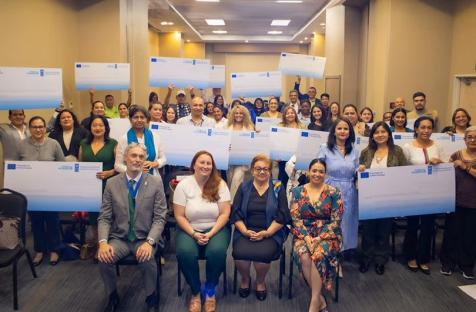
Tegucigalpa, 24 de abril de 2025 — En el marco del proyecto EUROELECT-H: Apoyo al Ciclo Electoral en Honduras para Elecciones Transparentes, con el financiamiento de la Unión Europea y ejecutado por el Programa de las Naciones Unidas para el De
El sábado 8 de marzo se conmemora el Día Internacional de la Mujer.
El sábado 8 de marzo se conmemora el Día Internacional de la Mujer.