Elections
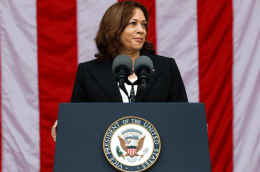
For the most part, Americans don’t think a woman president would do better or worse than a man when it comes to key leadership traits or the handling of various policy areas.
At the same time, the public sees differences in the way men and women running for higher office are treated by the media. And many think women candidates are punished more than men for showing emotions and having young children at home, among other attributes.
Click here to read the full article published by the Pew Research Center on 27 September 2023.
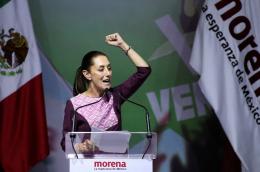
Mexico will most probably elect a woman president nine months from now.
Mexico, where women weren’t permitted to vote until the 1950s, already has a woman heading the Mexican Supreme Court. That’s just one example of how women in Mexico have progressed politically in such a short time.
Click here to read the full article published by Times of San Diego on 26 September 2023.
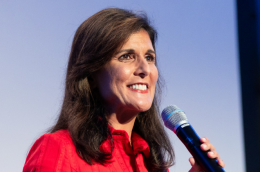
Over the course of American political history, several notable women have made their mark on the presidential debate stage, paving the way for greater gender equality and representation in the realm of national politics. These women have broken barriers, challenged conventions and played pivotal roles in shaping the landscape of U.S. elections.
Nikki Haley was the only woman who qualified to participate in the first and second Republican primary debates of the 2024 presidential race.
Click here to read the full article published by FOX Business on 26 September 2023.
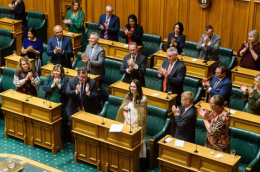
The last time New Zealanders voted in a general election, they were choosing between two women who were self-professed feminists. Three years later, in a sign of how sharply the pendulum has swung, they will pick between two men named Chris.
Ahead of next month’s polls, and 130 years after New Zealand become the first country to grant women the vote, the political landscape is in many ways unrecognizable from the era of former Prime Minister Jacinda Arden, whose pursuit of women’s rights and gun control transformed her country’s image abroad.
Click here to read the full article published by The New York Times on 22 September 2023.
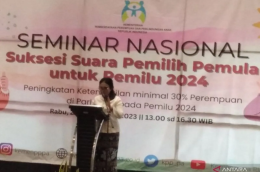
The 2024 election is expected to be an important milestone for increasing women's representation in parliament, according to Minister of Women's Empowerment and Child Protection (PPPA), Bintang Puspayoga.
"We all hope that the 2024 election will be an important milestone in the struggle to achieve fairer and more inclusive representation in parliament to create empowered women and protected children," the minister said in Jakarta on Wednesday.
Click here to read the full article published by Antara News on 20 September 2023.
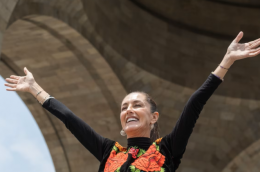
Half of Mexico’s Congress is female. The cabinet is gender-balanced. And now, women have won the primaries of the two leading political blocs — making it likely that this traditionally macho nation will elect its first female president, ahead of the United States.
Click here to read the full article published by The Washington Post on 6 September 2023.