The Cost of Leading: Violence against Women in Kenyan Politics in the Lead-up to 2027
Source: The Global Observatory
Kenyan women are at the forefront of defending their democracy. Their recent leadership reflects a long history of pivotal contributions, both to women’s rights and the rights of all Kenyans. In a context of democratic backsliding, rising levels of gender-based violence (GBV), and accelerating human rights abuses in the lead-up to elections in 2027, women’s leadership is needed more than ever.
However, research shows that women’s leadership, especially in conflict or crisis, is often met with violent pushback. In Kenya and worldwide, violence targeting women in politics is deterring some women from seeking public office and punishing those who do run. This problem is not new to Kenya, but the dichotomy between the achievements of Kenyan women leaders and the lack of accountability for their attackers, online and offline, is starker than ever.
The United Nations, African Union, and government of Kenya are taking steps to analyze the problem and offer recommendations, but tangible implementation lags. Meanwhile, bilateral partners that used to support women’s participation in politics and fund efforts to prevent election-related GBV have pulled back. Despite the risks and limited tangible support, Kenyan women are pressing forward, but many fear the costs they are asked to bear are unsustainable, not to mention unconscionable.
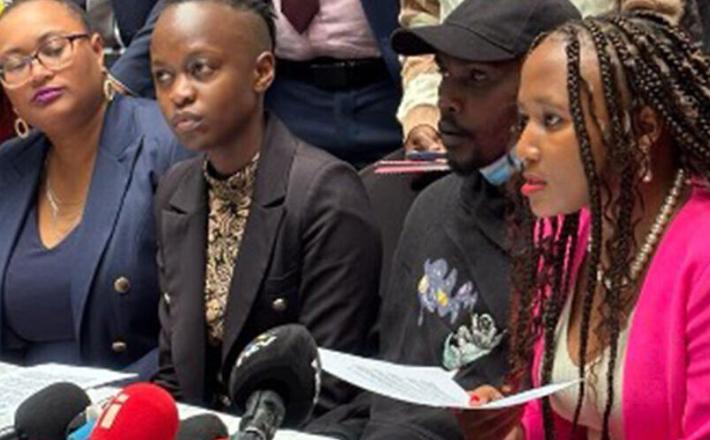
Kenyan women are at the forefront of defending their democracy. Their recent leadership reflects a long history of pivotal contributions, both to women’s rights and the rights of all Kenyans. In a context of democratic backsliding, rising levels of gender-based violence (GBV), and accelerating human rights abuses in the lead-up to elections in 2027, women’s leadership is needed more than ever.
However, research shows that women’s leadership, especially in conflict or crisis, is often met with violent pushback. In Kenya and worldwide, violence targeting women in politics is deterring some women from seeking public office and punishing those who do run. This problem is not new to Kenya, but the dichotomy between the achievements of Kenyan women leaders and the lack of accountability for their attackers, online and offline, is starker than ever.
The United Nations, African Union, and government of Kenya are taking steps to analyze the problem and offer recommendations, but tangible implementation lags. Meanwhile, bilateral partners that used to support women’s participation in politics and fund efforts to prevent election-related GBV have pulled back. Despite the risks and limited tangible support, Kenyan women are pressing forward, but many fear the costs they are asked to bear are unsustainable, not to mention unconscionable.