Evidence on the policy impact of female politicians is mixed. This column uses data on bills sponsored in the Italian House of Representatives between 1987 and 2022 to show how female politicians’ engagement with women’s issues is systematically related to the gender norms of the environments in which they were born. The findings suggest that while increasing the number of women in politics remains essential to broaden representation and diversify policy priorities, if social norms remain traditional, progress on gender equality may still be slow.
Despite steady progress, women remain underrepresented in politics. In 2025, only 27.4% of parliamentarians worldwide were women, up from 11% in 1995 (UN Women 2026). At the current pace, closing the gender gap in political empowerment will still take more than a century (World Economic Forum 2025).
Yet, increasing the number of women in office does not necessarily translate into stronger substantive representation of women’s issues. Women’s political preferences are far from uniform. As women’s rights expanded over the last decades, women became increasingly divided along lines of marital status, employment, and religion far more than men, with reactionary movements often led by women themselves (Goldin 2023). Similarly, in more gender-equal countries, women’s support for gender-equality policies is often lower than generally perceived (Bursztyn et al. 2023).
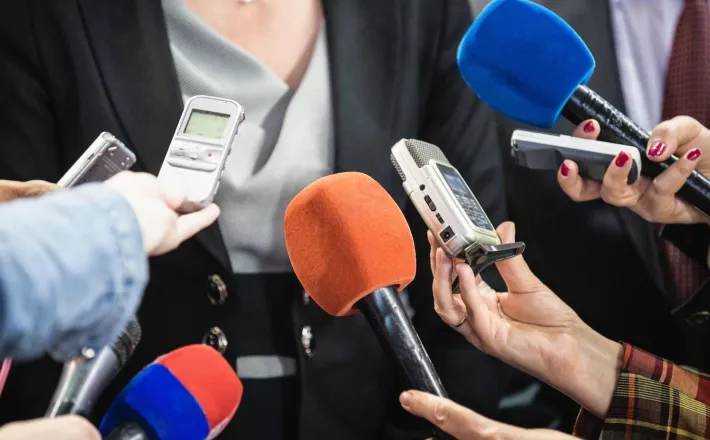

Hear from women leading change in the political space share their experiences and insights.

Explore a wide-range of audio-visual resources on key topics of gender equality.
Hear from a diverse list of panelists and guests as they reflect on critical issues pertaining Women in Politics.