Women in politics are, historically speaking, newcomers to a field built without them in mind.
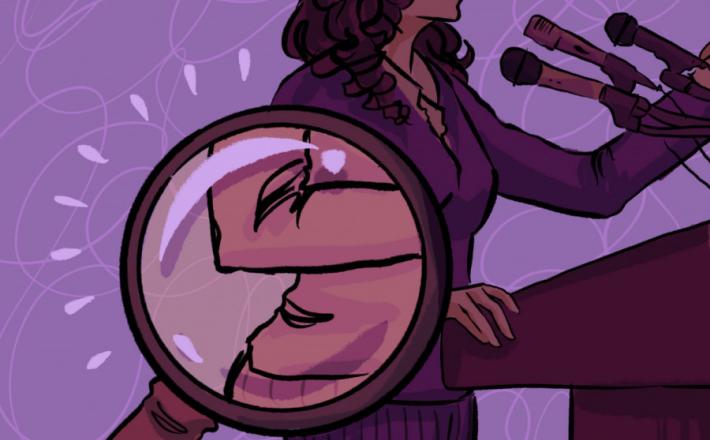
Women may now hold seats at political tables, but those tables were never designed for them, and the violence, scrutiny and hostility they face are not anomalies but symptoms of systems still shaped by exclusion.
In Mexico, President Claudia Sheinbaum, celebrated as the nation’s first woman elected to the role, was sexually assaulted in broad daylight during a public event.
The assault was shocking, but perhaps more alarming was how quickly some dismissed it as just another hazard of public life. Her experience exposes the ongoing physical vulnerability women leaders continue to face, as well as the troubling tendency to minimize violence against them as inevitable rather than unacceptable. Power does not insulate women from misogyny; in many cases, it makes them more visible targets.
Closer to home, Montreal’s women mayors navigate a political terrain that looks welcoming on paper but feels far less in practice.
Their experiences show how the everyday labour of governing becomes gendered; from constant online harassment to double standards that shape expectations of tone, behaviour and even wardrobe. Their professionalism is evaluated alongside irrelevant criteria, sending the same persistent message: you can sit at the table, but don’t get too comfortable.

Hear from women leading change in the political space share their experiences and insights.

Explore a wide-range of audio-visual resources on key topics of gender equality.

Hear from a diverse list of panelists and guests as they reflect on critical issues pertaining Women in Politics.