Hello there, friend. I should be direct with you right from the start: this piece represents months of research into Nigerian cultural dynamics and years of experience observing how gender roles shape daily life across Nigeria’s diverse communities. What I’ve learnt during this time has fundamentally changed how I understand the relationship between tradition, modernity, and identity in Nigerian society.
I remember sitting in a Lagos restaurant last year, watching a young couple navigate who would pay the bill. The man reached for his wallet immediately, almost reflexively. The woman protested, insisting they split it. The waiter looked confused, unsure where to place the card machine. That moment encapsulated the complex dance between traditional expectations and contemporary realities that defines gender roles in Nigeria currently.
Gender roles in Nigerian culture operate across multiple dimensions. They influence everything from household responsibilities to career choices, from courtship protocols to political participation. Understanding these dynamics requires looking beyond simple generalisations to recognise how ethnicity, religion, education, and geography all shape what Nigerian society expects from men and women.
But here’s what makes this topic particularly fascinating (and occasionally frustrating): Nigerian gender roles are currently undergoing significant transformation. The traditional frameworks that governed gender relations for generations now exist alongside modern ideas about equality, autonomy, and shared responsibility. The result is neither purely traditional nor completely contemporary. Rather, it’s something distinctly Nigerian, shaped by our history whilst responding to present realities.
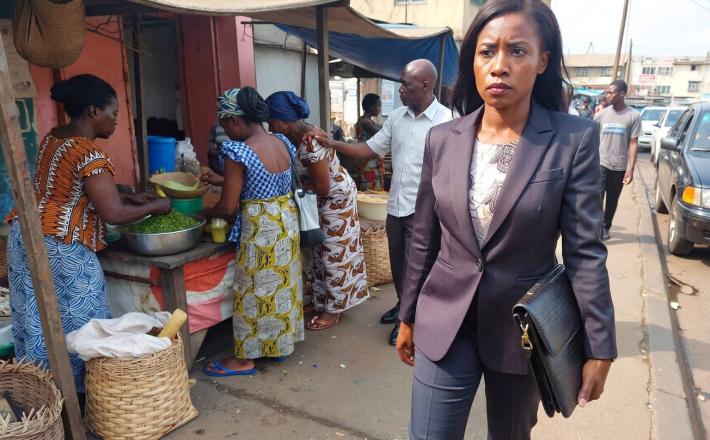

Hear from women leading change in the political space share their experiences and insights.

Explore a wide-range of audio-visual resources on key topics of gender equality.

Hear from a diverse list of panelists and guests as they reflect on critical issues pertaining Women in Politics.