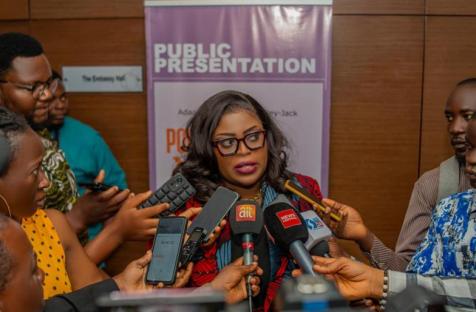
June 1, 2026
2027 Poll: Gender Organisation Decries Exclusion Of Nigerian Women From Political Party Primaries
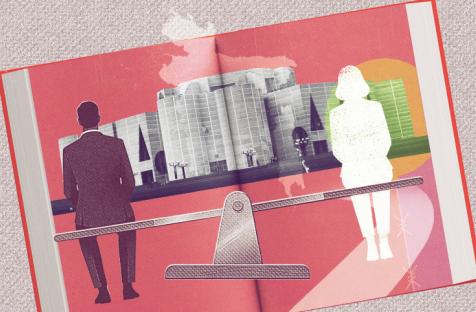
In Bangladesh, the transition from a government job to a political career is not as straightforward as it ought to be.
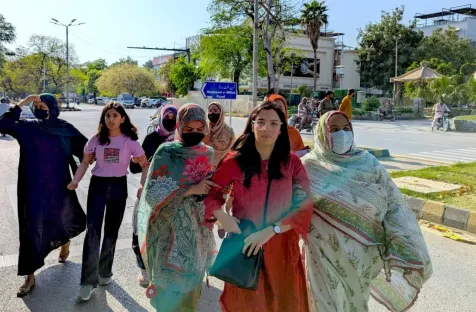
This year, on March 8, International Women’s Day, participants of the Islamabad chapter of the Aurat March (Women’s March) faced extreme brutality and
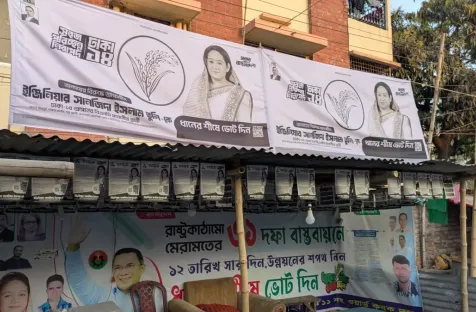
This post is part of Global Voices’ April 2026 Spotlight series, “Human perspectives on AI.” This series will offer insight into how
In Africa, several initiatives seek to increase women’s visibility in digital spaces.
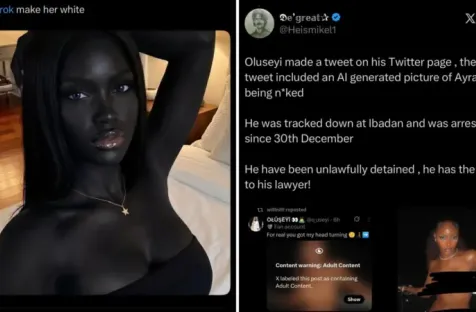
This post is part of Global Voices’ April 2026 Spotlight series, “Human perspectives on AI.” This series will offer insight into how AI is being used in global majority countries, how its use a

This post is part of Global Voices’ April 2026 Spotlight series, “Human perspectives on AI.” This series will offer insight into how AI is being used in global majority countries, how its use and implem

A war that began between the United States and Iran on February 28 led to a two-week ceasefire on April 8, brokered through mediation efforts by Pakistan.
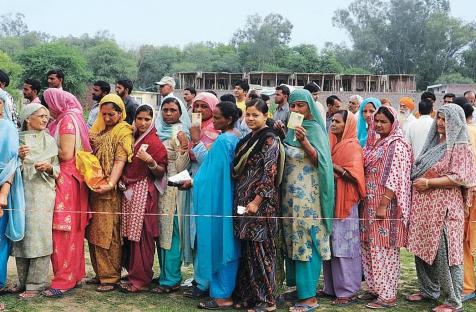
Even as the debate surrounding reservations to women in the Lok Sabha and state legislative assemblies is once again in the spotlight, some serious concerns are being raised: Will the reservation being promised by to-be promulgated legislation truly reach women from all sections equally or whethe