Electoral Act gaps, money politics locking women out of 2027 party primaries
Source: Premium Times of Nigeria
A post-primary audit of political parties ahead of the 2027 general elections has found that loopholes in the Electoral Act, costly nomination forms, consensus arrangements and money politics are limiting women’s participation and chances of emerging as candidates.
Gender rights advocates and electoral experts disclosed on Wednesday during a media briefing held via X Space, where they presented findings from an audit of internal party elections.
Cynthia Mbamalu, a gender and human rights advocate, said the Electoral Act 2026, which limits party primaries to direct and consensus modes, failed to provide clear guidelines for direct primaries.
Ms Mbamalu said Section 86 of the Act left the design of guidelines to political parties, creating wide discretion that weakened transparency.
“Ordinarily, direct primaries should have been a saving grace for marginalised groups, especially women, but the way parties implemented them closed the space,” she said.
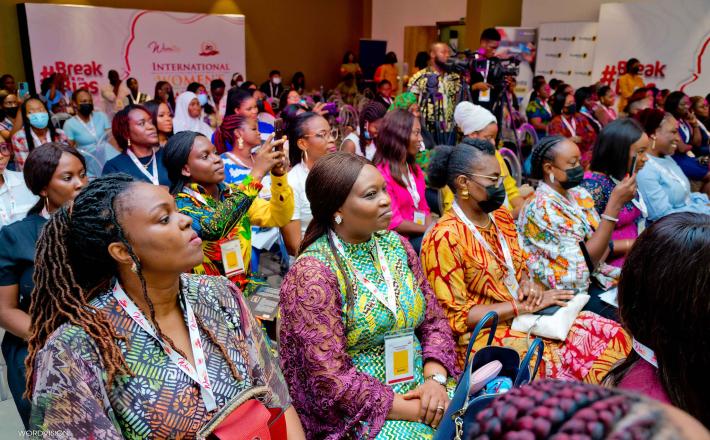

Hear from women leading change in the political space share their experiences and insights.

Explore a wide-range of audio-visual resources on key topics of gender equality.

Hear from a diverse list of panelists and guests as they reflect on critical issues pertaining Women in Politics.