THIMPHU – In 2016, when Kinley Zangmo first put her name forward for the Mangmi post in Talo Gewog, Punakha, many still whispered that politics was a man’s domain.
She was competing against three male candidates and stepping into a space she once believed was not meant for women. Yet when the ballots were counted, the villagers had chosen her.
The victory did more than hand her a seat; it reshaped her understanding of what was possible. Five years later, encouraged by the confidence she had earned and the trust she had built with voters, she contested again in 2021. This time, she said, she was not surprised by the outcome. She won.
For the 41-year-old, winning two consecutive terms represents more than personal milestones. “They signal a quiet shift in voter attitudes,” she said. “People are beginning to see that women are capable. But we have to prove ourselves when we are given the chance.”
While women make up more than half of Bhutan’s population, they are largely underrepresented in leadership positions. Yet, in recent years, women have become more visible in leadership roles, from local government positions to senior public appointments, suggesting that perceptions toward women in leadership may be gradually evolving.
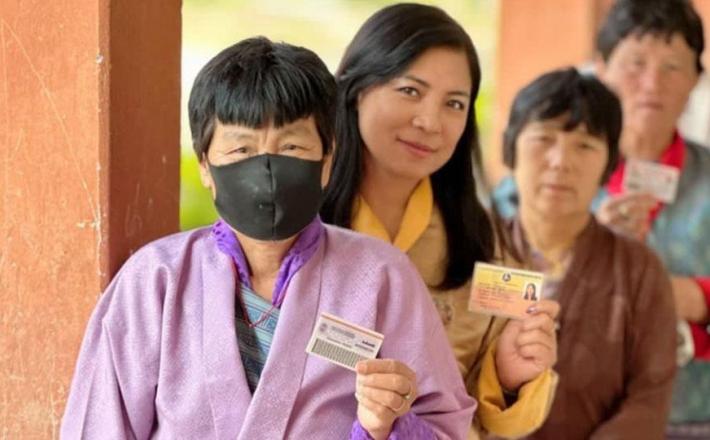

Hear from women leading change in the political space share their experiences and insights.

Explore a wide-range of audio-visual resources on key topics of gender equality.

Hear from a diverse list of panelists and guests as they reflect on critical issues pertaining Women in Politics.