KATHMANDU, Jan 22: Amid the buzz of election fever in the chilly January air, candidates for the House of Representatives (HoR) election on March 5 have been enthusiastically filing their nominations. Yet, a closer look at the numbers tells a striking story: women candidates remain far too few.
Kul Bahadur GC, assistant spokesperson of the Election Commission (EC), says both new and established parties have failed to ensure gender inclusivity in this election. Women’s presence in national politics is still weak, and within parties, female members often lack influence. As a result, women make up only 11.35% of all candidates—a small rise from 9.3% in the 2079 BS election.
Out of 3,486 candidates for the 165 first-past-the-post, or direct, seats, 3,089 are men, 396 women, and 1 from another gender. Experts point to societal patriarchy and male-dominated political culture as key reasons, with men favored in election strategies and campaign resources.
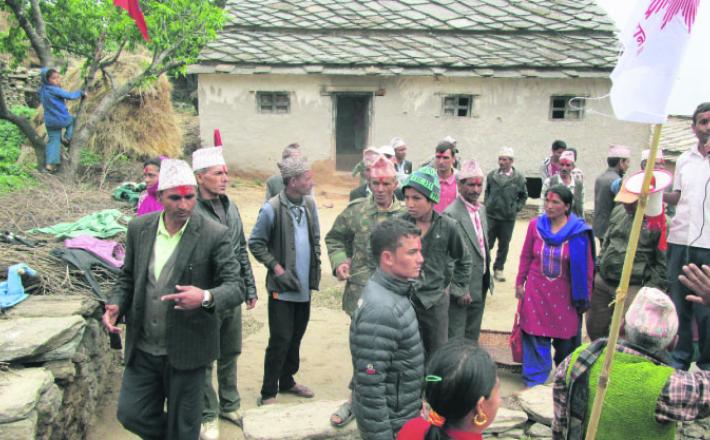

Hear from women leading change in the political space share their experiences and insights.

Explore a wide-range of audio-visual resources on key topics of gender equality.
Hear from a diverse list of panelists and guests as they reflect on critical issues pertaining Women in Politics.