Since gaining independence from the UK in October 1962, Ugandan women have played a critical role in shaping politics and governance throughout the country. From Joyce Mpanga, who served as Minister of Women in Development from 1988 to 1989, to Winnie Byanyima, who played a critical role in framing the 1995 Ugandan Constitution, women have shaped the political and governance landscape in Uganda, paving the way for countless young girls and women.
The 1995 Constitution introduced affirmative action. Article 21 of the Ugandan Constitution reserves one-third of local government seats and parliamentary positions for women, ensuring their active participation in the country’s decision-making processes.
In January 2026, Uganda held its general elections, and several women ran as candidates. However, women campaigners have to worry about more than giving speeches and rallying voters — they also have to navigate online violence that manifested as deepfakes, AI-generated images, gendered disinformation, and harmful narratives that were weaponised to target Ugandan women politicians during this year’s election.
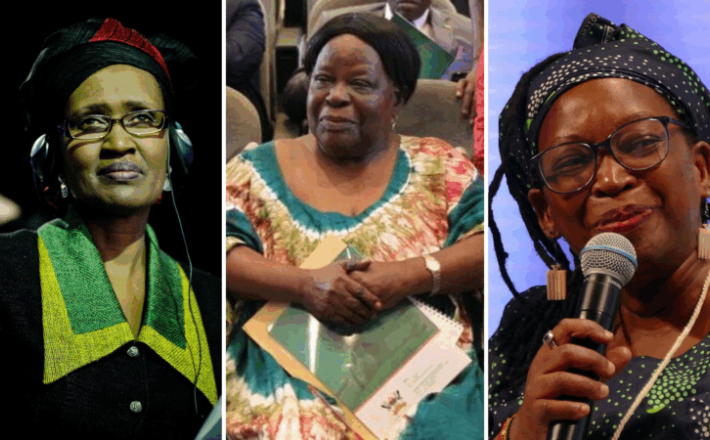

Hear from women leading change in the political space share their experiences and insights.

Explore a wide-range of audio-visual resources on key topics of gender equality.

Hear from a diverse list of panelists and guests as they reflect on critical issues pertaining Women in Politics.