That women in Nigeria who have been the backbone of community building, peace processes, and national development have not been well represented in the decision making and governance of the country is no longer a tale as the evidence abound for all to see.
Women representation in the National Assembly remains low, with only 4.2% (20 members out of 469) in the 10th Assembly (2023-2027), comprising 3 of 109 Senators and 17 of 360 members of the House of Representatives which is significantly below the global and African averages and is a result of factors like political party structures and male dominance.
It is trite knowledge that when it comes to political leadership, their voices are not only underrepresented, their contributions are undervalued due to cultural constraints in a society that is primarily patrilineal and patriarchal in nature. Unfortunately for Nigeria, evidence across the world shows that societies that embrace women’s participation in leadership record greater stability, deeper inclusivity, and stronger economic growth.
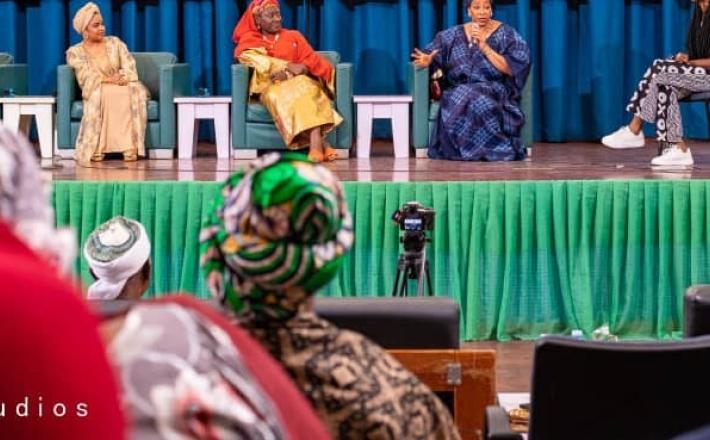

Hear from women leading change in the political space share their experiences and insights.

Explore a wide-range of audio-visual resources on key topics of gender equality.

Hear from a diverse list of panelists and guests as they reflect on critical issues pertaining Women in Politics.