September 9, 2026
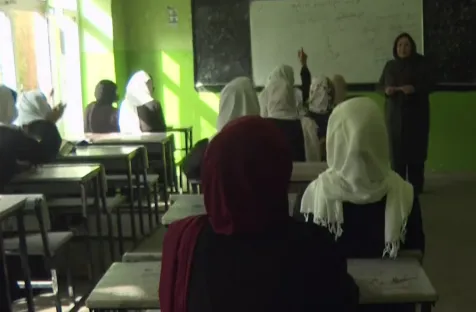
Without education for girls, Afghanistan loses its chance for a better tomorrow
I am a girl from Afghan soil, a land that has buried countless dreams beneath its surface.
I am a girl from Afghan soil, a land that has buried countless dreams beneath its surface.
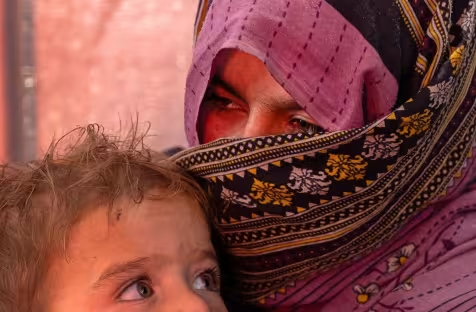
It is now five years since the Taliban takeover in Afghanistan – the second time they seized power in the country.
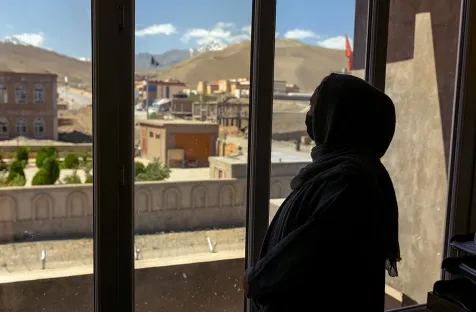
Half a decade after the Taliban takeover in August 2021, Afghanistan has systematically dismantled the rights of half its population, making it a global outlier with no parallel in the modern world.
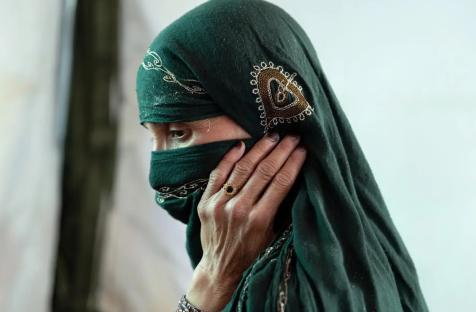
It was during an air attack in eastern Afghanistan that 30-year-old Najeeba* felt her labour pains begin. Around her, families were already on the move, fleeing renewed hostilities along the border between Pakistan and Afghanistan. But her baby wasn’t going to wait.
The Kabul Tribune (KT) — Speakers at the fourth day of the UN Commission on the Status of Women (CSW70) warned that Taliban policies in Afghanistan amount to a system of “gender apartheid,” while also highlighting persistent global gaps in women’s political participation.
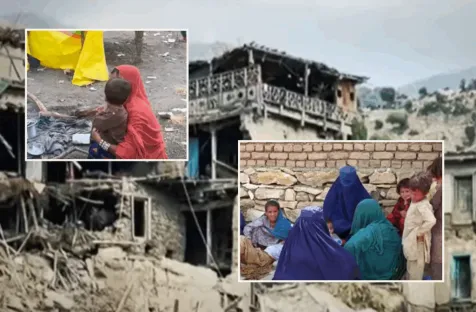
Afghan women and girls are bearing some of the heaviest burdens of a deadly 6.0 magnitude earthquake in the country’s eastern provinces last week.
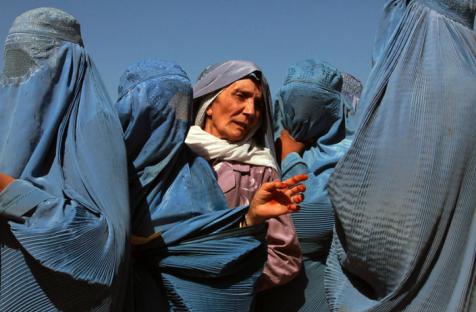
On August 15, 2021, the lives of the Afghan people underwent a stochastic lifestyle shift.
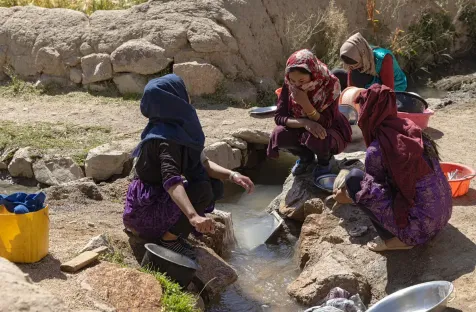
Today, UN Women is releasing new data which shows that, despite this ban, the vast majority of Afghans – women and men alike – support girls’ education.
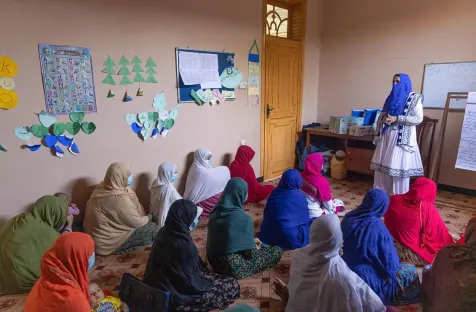
In a nationwide, door-to-door survey of more than 2,000 Afghans, 92 per cent said it was “important” for girls to continue their schooling, with support cutting across rural and urban communities.