The Senate, the Silence, and the Stubborn Woman: Gendered Punishment in Politics
Source: Democracy in Africa
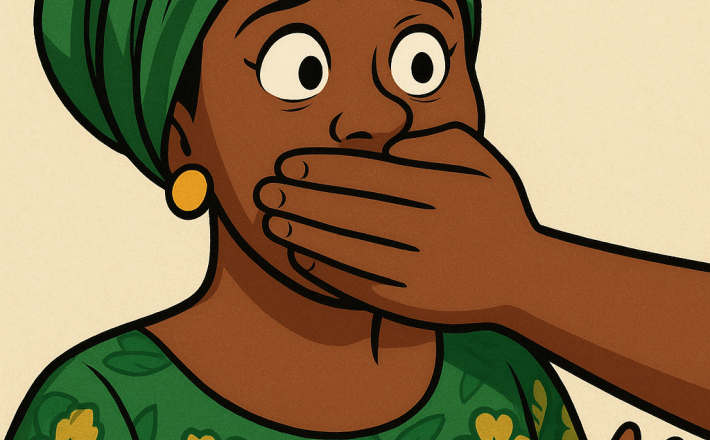
In March 2025, Nigeria’s political scene was jolted when Senator Natasha Akpoti-Uduaghan publicly accused Senate President Godswill Akpabio of sexual harassment. Rather than prompt a serious investigation, the Senate responded by suspending her for six months on the grounds of “unruly and disruptive” behavior—an action widely perceived as punitive and silencing.
In interviews with the BBC, Natasha detailed how Akpabio would “squeeze my hands in a very suggestive way,” joked that her missing wedding ring was an “invitation to treat,” and remark that “your husband must be really enjoying… you’d be able to make good movements with your waist.” When she spoke up, the Nigerian Senate Chamber laughed. “People don’t understand what it means to carry this,” she said. “Maybe we don’t talk about it enough in Nigeria or Africa… I just want a place where I would just work. I thought the worst was over, but for a woman, it’s never really over.”

Hear from women leading change in the political space share their experiences and insights.

Explore a wide-range of audio-visual resources on key topics of gender equality.

Hear from a diverse list of panelists and guests as they reflect on critical issues pertaining Women in Politics.