Sir: Since 1999, barely 43 women senators and 119 House members have held elective seats in Nigeria’s National Assembly. Sometimes triumphant but often solitary, their journeys tell stories of structural exclusion, and individual determination. Over 25 years of democracy in Nigeria, women have held 162 out of 3,283 legislative seats. That means women have occupied fewer than 1 in 20 (or 4.9%) seats in Nigeria’s highest law-making body.
This is not symbolic absence, but entrenched structural gap and systemic marginalisation of women in Nigeria’s political landscape.
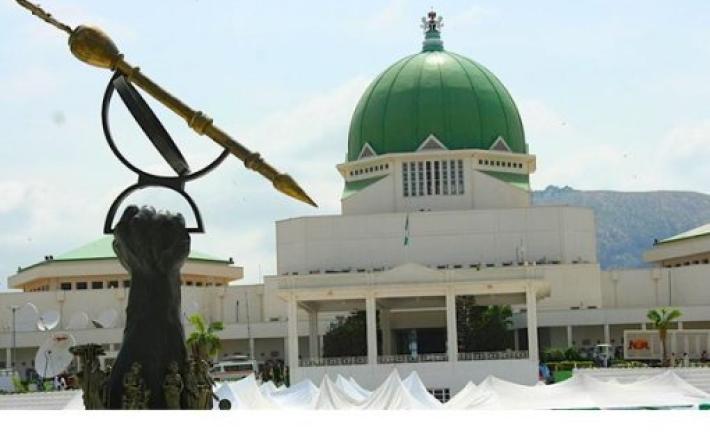
With women holding less than 5% of seats in the National Assembly, the country ranks among the lowest globally for female political representation. The proposed Reserved Seats Bill, if passed, aims to change that trajectory, even if modestly.
The Bill offers access to formal political power, reserving 111 extra seats for women in the National Assembly, granting women a legally mandated political presence—a foot in the door. This signals constitutional recognition that gender exclusion is real. Although it could inspire a new generation of female political aspirants, critics regard it as a temporary structural fix because it’s not permanent—it designed to expire after 16 years.
Full article available here.

Hear from women leading change in the political space share their experiences and insights.

Explore a wide-range of audio-visual resources on key topics of gender equality.

Hear from a diverse list of panelists and guests as they reflect on critical issues pertaining Women in Politics.