As Nigeria prepares for another electoral cycle ahead of the 2027 general elections, concerns over political violence, voter intimidation, and electoral insecurity continue to dominate national conversations.
Across the country, civil society groups, women leaders, and peace advocates are increasingly calling for greater inclusion of women in politics, arguing that women’s participation could play a significant role in reducing electoral violence and promoting peaceful democratic engagement.
Nigeria has a long history of election-related violence. The 2011 post-election crisis remains one of the deadliest in the country’s democratic history. According to Human Rights Watch (HRW), more than 800 people were killed in post-election violence that erupted across 12 northern states after the presidential election.
The violence displaced thousands and exposed the deep political and ethnic tensions surrounding elections in the country.
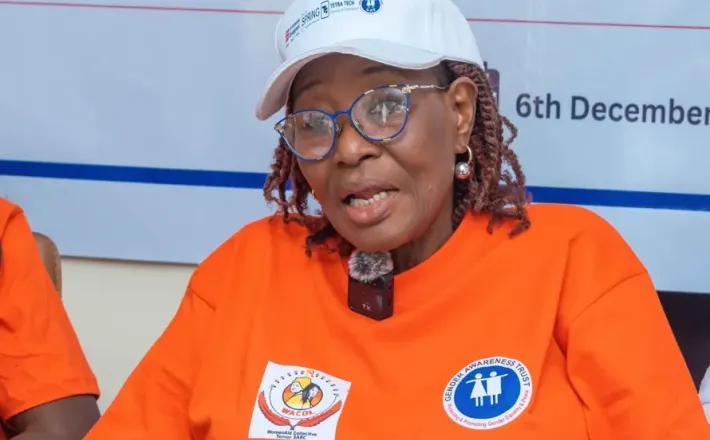

Hear from women leading change in the political space share their experiences and insights.

Explore a wide-range of audio-visual resources on key topics of gender equality.

Hear from a diverse list of panelists and guests as they reflect on critical issues pertaining Women in Politics.