As Bangladesh awaits the result of the 2026 national parliamentary election, one statistic should give us pause. Only 78 women are contesting the election — just under 4% of nearly 2,000 candidates. It is being described as a "record number".
Even in the 2024 national election, 128 women (4.71%) contested among 2,713 total candidates. In 2019, 22 women were elected to general seats. This backsliding says more about how political power is structured in Bangladesh than about women's political capacity.
Recently, at a day-long national conference titled Rupture, Reform, and Reimagining Democracy: Navigating the Agony of Transition, organised by the BRAC Institute of Governance and Development (BIGD) at BRAC University to reflect on Bangladesh's political transition, a speaker jokingly asked: "Is Bangladesh ready for a male prime minister?"
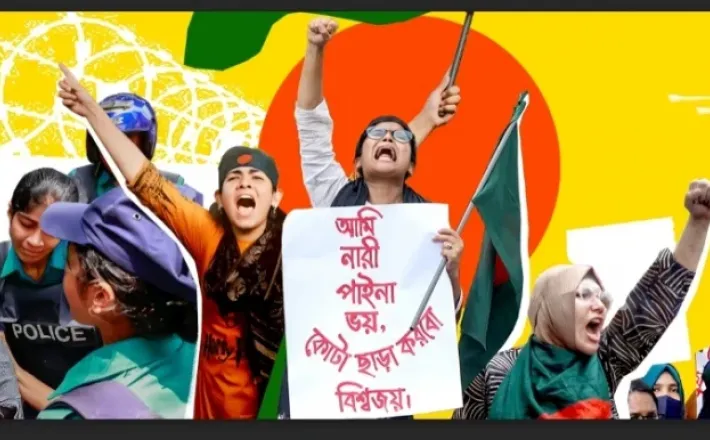

Hear from women leading change in the political space share their experiences and insights.

Explore a wide-range of audio-visual resources on key topics of gender equality.

Hear from a diverse list of panelists and guests as they reflect on critical issues pertaining Women in Politics.